How to make your own concrete on site: A comprehensive guide

Article updated October 11, 2025
Introduction to on-site concrete mixing
For landscapers, contractors, and hardscapers, the ability to make your own concrete on-site offers a host of advantages. Not only can you ensure the quality and consistency of the mix, but you can also realize significant cost savings and environmental benefits. Whether you’re working on a small backyard project or a large construction site, understanding the ins and outs of concrete mixing can set you up for success.
Mixing your own concrete on-site gives you complete control over timing, proportions, and delivery—making it one of the most cost-effective and reliable options for producing fresh concrete on demand. Contractors can create exactly the type of concrete needed for driveways, patios, or structural pours without waiting for a ready-mix truck.
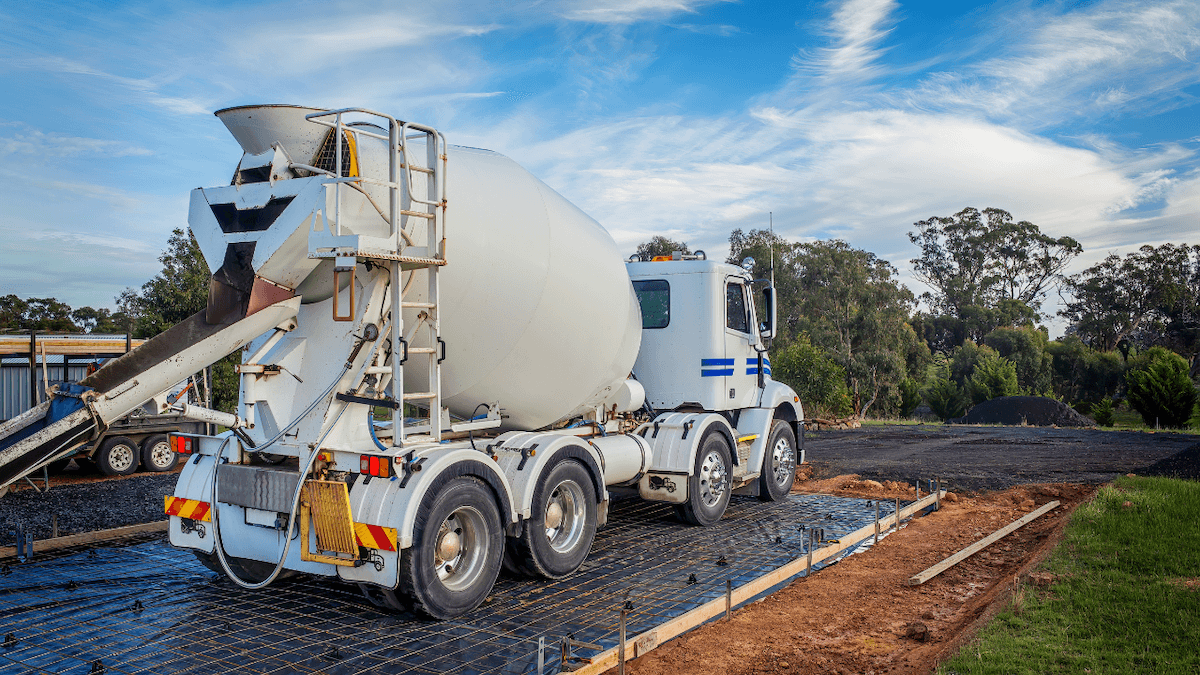
On-site mixing also helps eliminate the risk of delays due to late concrete delivery or batch quality issues from third-party suppliers. For jobs that require multiple small pours or remote access, this flexibility can keep your crew productive and projects running on time.
Materials Needed for Making Concrete
Creating high-quality concrete requires the right materials:
- Aggregates: These include sand, gravel, or crushed stone. The quality of the aggregates is crucial for the strength and durability of the concrete.
- Cement: Acts as the binding agent in the mix. Choose a reputable brand to ensure consistency. To find out more about the difference between concrete and cement - check out this blog.
- Water: Must be clean and free from impurities. The water-to-cement ratio is critical for the final product's strength and durability.
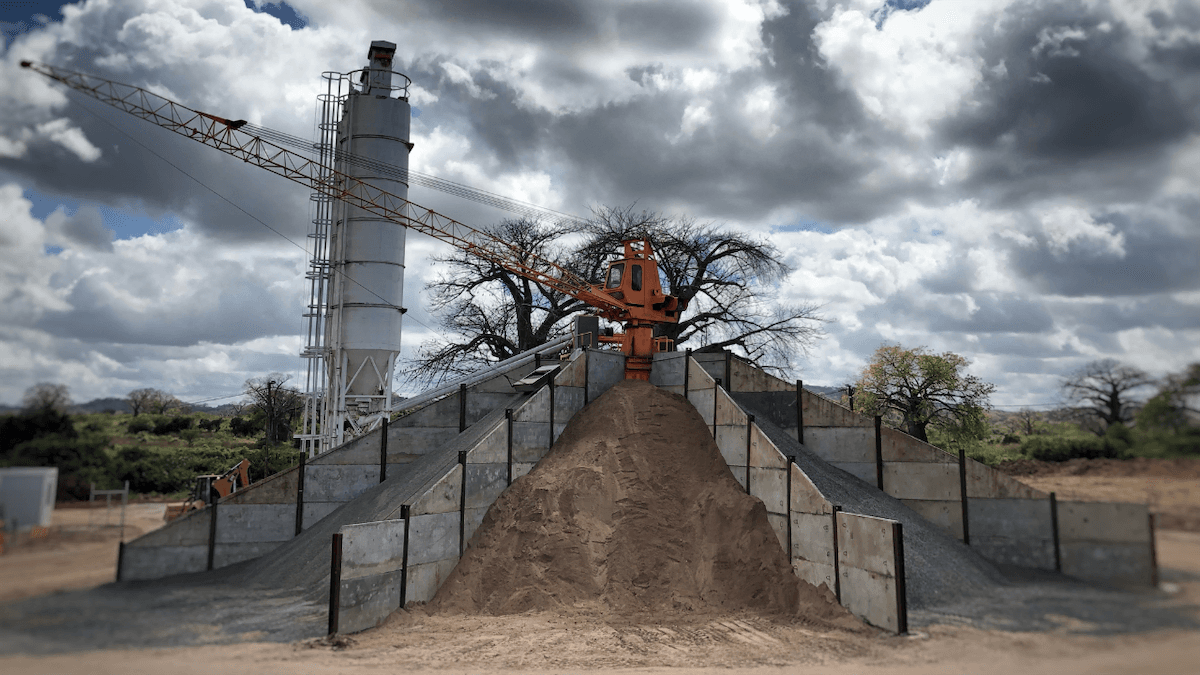
For best results, use locally sourced aggregates that meet ASTM or DOT specifications. Adjust your proportions based on the project needs—denser mixes for foundations, lighter mixes for driveways and walkways. Maintaining consistent quality across each batch is key to achieving durable, high-performance results.
The Concrete Mixing Process: Step-by-Step
1. Proportioning
Proper proportioning of the materials is essential. The standard mix ratio is one part cement, two parts sand, and three parts gravel, with a water-to-cement ratio of about 0.5. Adjust these ratios depending on the specific requirements of your project.
This basic 1:2:3 ratio is a great starting point for most small-scale construction projects. However, for larger pours or commercial work, using volumetric concrete mixers or batch plants allows for precise control of cubic yards produced and consistency across multiple loads.
2. Mixing Methods
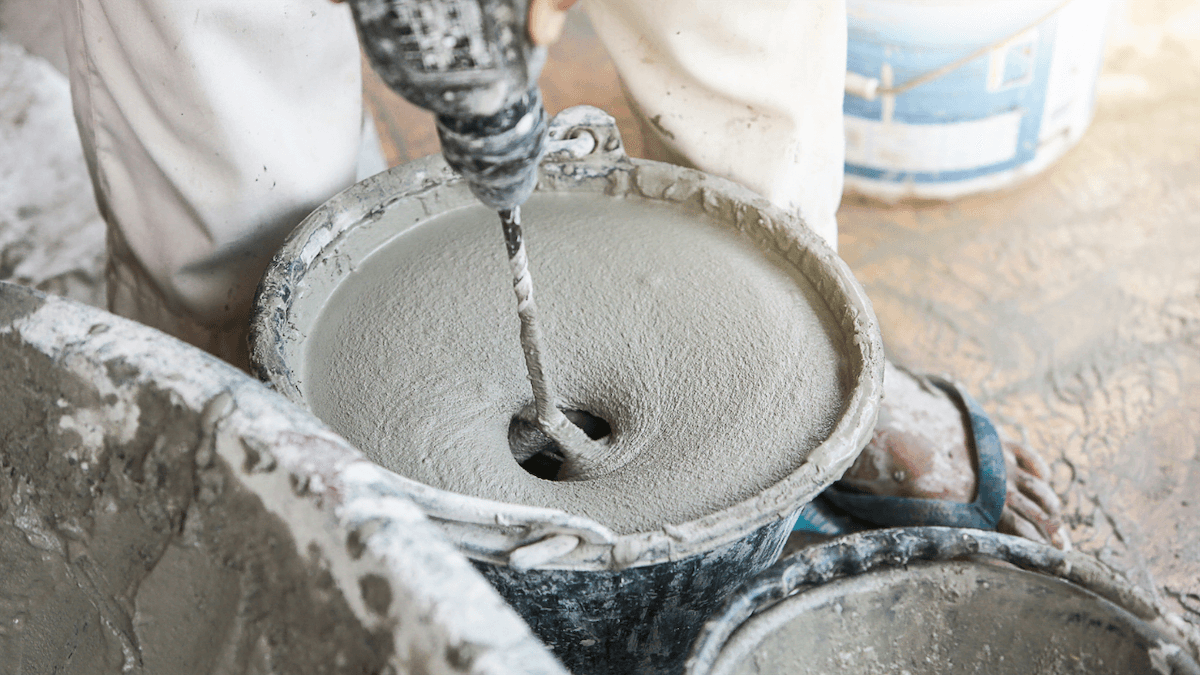
- Hand Mixing: Suitable for small projects. Mix the dry materials first, then gradually add water until the mix achieves the right consistency.
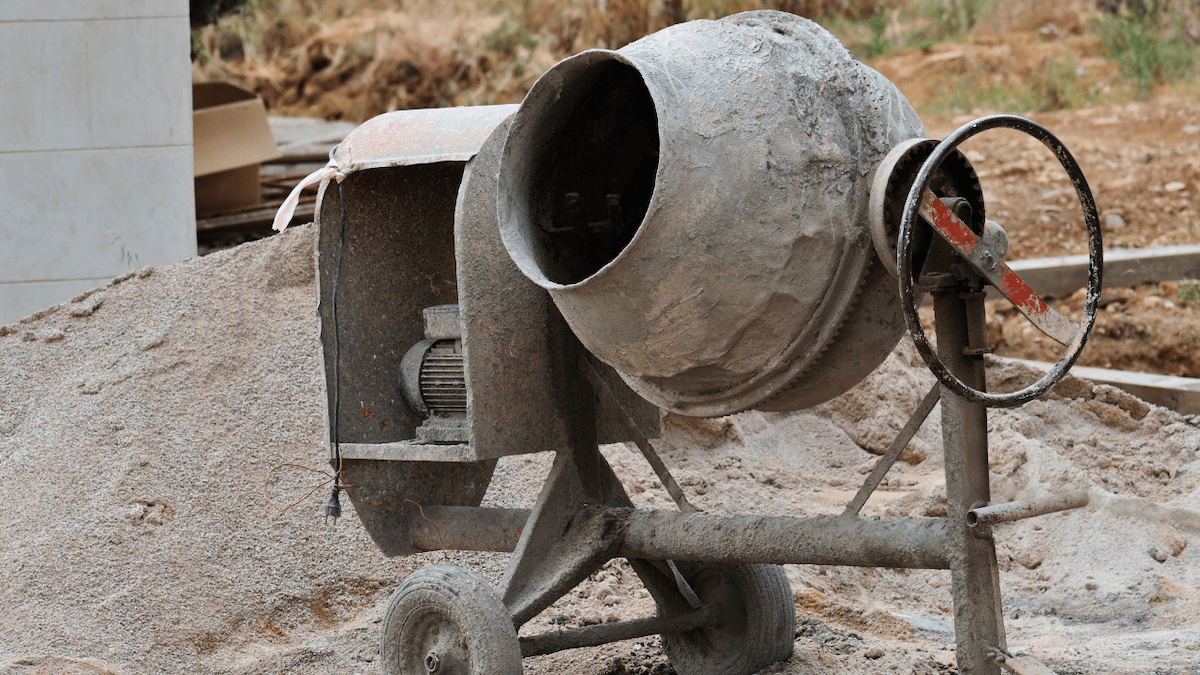
- Machine Mixing: For larger projects, use concrete mixers. Add the dry materials first, then slowly add water. Mix until the concrete is uniform in color and texture.
For medium to large projects, mobile or on-site concrete mixers are more efficient than traditional drum mixers. Volumetric concrete trucks, for example, can store materials separately and mix concrete in real time as it’s needed. This prevents overmixing, waste, and quality issues associated with transporting pre-mixed loads.
Testing and Adjusting the Mix
Testing the concrete mix ensures it meets the required standards:
- Slump Test: Measures the workability of the concrete. Use a slump cone to see how much the concrete slumps. Adjust the water content as needed.
- Compression Test: Ensures the concrete can withstand the required loads. Collect samples and test them after curing for 7 and 28 days.
Performing on-site slump tests and compression sampling ensures that your mix achieves both workability and long-term durability. Volumetric systems make it easy to adjust mix design instantly, helping you meet specifications for both structural and decorative applications.
Wet Mix vs. Dry Mix
Understanding the differences between wet and dry mixes can help you choose the right method:
- Wet Mix: Involves adding water to the aggregates and cement before transportation. Ideal for immediate use.
- Dry Mix: The dry materials are mixed on-site with water. Offers more control over the final product.
Dry-mix systems are particularly valuable for remote job sites or small-batch work, allowing you to produce concrete exactly when and where it’s needed. Wet-mix systems, on the other hand, are more suited to high-output projects requiring continuous concrete delivery at scale.
In both cases, on-site concrete mixing eliminates reliance on off-site batching plants, reduces idle time, and helps crews maintain a steady workflow throughout the day.
Why Make Your Own Concrete Onsite?
Making your own concrete onsite offers numerous benefits that can positively impact your construction projects. First and foremost, it allows for complete control over the quality and consistency of the mix, ensuring that the concrete meets the specific requirements of your project. This level of control can significantly enhance the structural integrity and longevity of the final product. Additionally, onsite mixing can lead to cost savings by eliminating the need for transporting ready-mix concrete, thereby reducing fuel consumption and delivery fees. This practice is also environmentally friendly, as it minimizes waste and allows for the use of local materials, further decreasing the project's carbon footprint. Overall, producing your own concrete onsite can provide improved quality, cost-efficiency, and sustainability for any construction endeavor.
Mixing concrete directly at the job site means you can produce the exact quantity you need — no overordering or leftover waste. With volumetric concrete mixers, you can adjust the mix design on demand, switching between different strengths or slump levels without waiting for a new delivery. This real-time flexibility keeps your crew productive and ensures the mix is always fresh.
Contractors working on driveways, patios, or foundations benefit from better scheduling control. There’s no waiting around for delayed ready-mix trucks or partial loads that arrive out of spec. Instead, you can pour when conditions are right, keeping projects on time and within budget.
Using batch plants for your onsite op and mobile mixers can streamline the concrete mixing process:
- Concrete Batch Plants: Machinery Partner offers a range of batch plants ideal for large projects, ensuring consistent quality and efficiency.
- Carmix Self-Loading Mobile Mixing Plant: These versatile machines combine transportation, mixing, and pouring, making them ideal for remote sites.
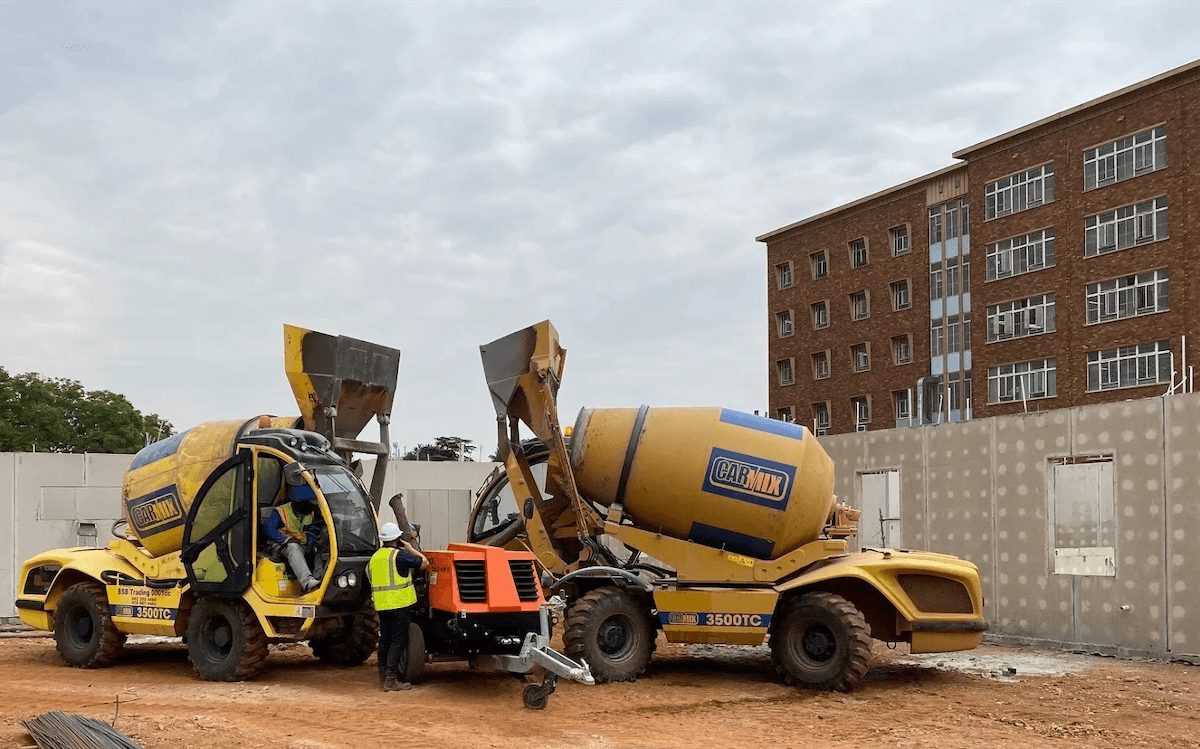
Check out Carmix Concrete Batch Plants for sale.
Mobile concrete batch plants are an excellent solution for large-scale construction projects, producing multiple cubic yards of fresh concrete per hour. They’re engineered for cost-effective operation and deliver the same precision as stationary ready-mix facilities. For smaller or variable-demand jobs, self-loading mixers provide a more flexible alternative, letting contractors mix and pour directly from a single piece of equipment.
Can Concrete be Recycled?
Concrete is 100% recyclable, offering additional environmental benefits:
- Using a Crusher: Break down old concrete into usable materials for base and fill. This not only reduces waste but also saves on material costs.
- For more information, check out our detailed post on recycling concrete and using crushers.
Integrating concrete recycling into your on-site workflow creates a complete circular process — from mixing new concrete to reusing old material as aggregate. By pairing a crusher with your mobile batch plant, you can repurpose demolished slabs into fresh mix components or use them as sub-base for new construction.
This sustainable approach not only lowers disposal costs but also minimizes your dependence on virgin aggregates and ready-mix supply chains. Contractors who adopt on-site recycling and mixing together often see significant long-term savings while reducing their environmental footprint.
Conclusion
Making your own concrete on-site can significantly benefit your landscaping or construction projects. By understanding the materials, mixing process, and the advantages of batch plants and mobile mixers, you can achieve high-quality results while saving money and reducing your environmental impact. Machinery Partner are here to help - contact us for all your machinery needs!
Ready to get started? Explore the range of concrete batch plants from Machinery Partner to find the perfect solution for your needs. And don't forget to read our article on the differences between concrete and cement.
Whether you’re managing large commercial projects or smaller residential jobs, on-site concrete mixing offers unmatched efficiency, flexibility, and quality control. From volumetric concrete trucks to fully automated batch plants, there’s a solution for every operation size. Producing fresh concrete exactly when you need it helps eliminate downtime, ensure consistent results, and boost overall profitability.
Machinery Partner provides state-of-the-art mixing solutions, including on-site batch plants, self-loading mixers, and portable equipment designed to deliver concrete on demand. Speak with one of our experts today to find the right setup for your business and start producing high-quality, cost-effective concrete on site.