Industrial Shredders: A Complete Guide for Waste Management and Recycling Professionals


What Is an Industrial Shredder?
Industrial shredders are powerful machines designed to reduce the size of large, bulky, or complex materials into smaller, more manageable pieces. In waste management and recycling operations, shredding is often the first and most critical step in processing materials efficiently. From construction debris to plastic, metal, and textiles, industrial shredders play a central role in converting waste into reusable or transportable material.
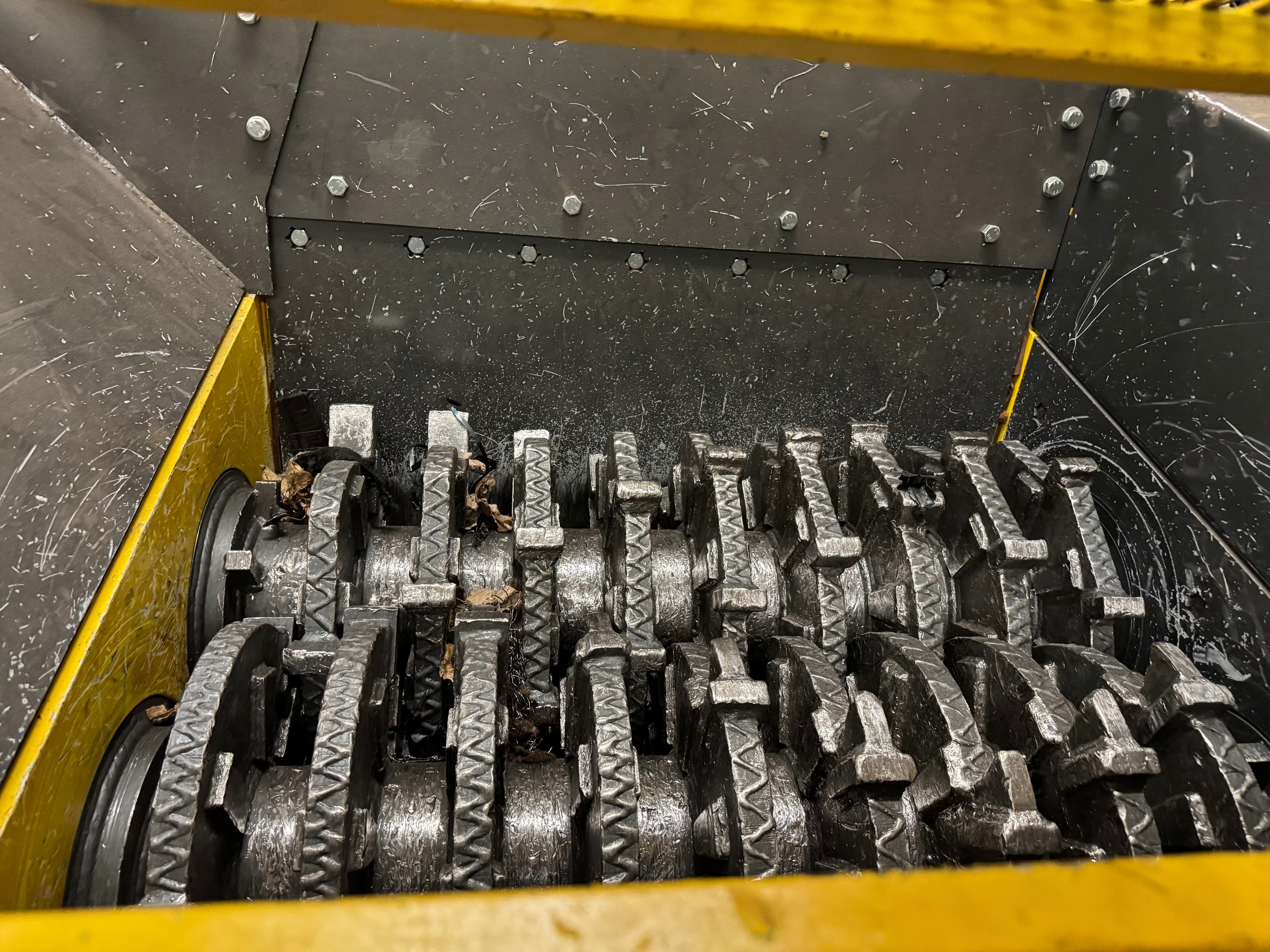
Unlike commercial paper shredders you might find in an office, industrial shredders are built for heavy-duty applications. These machines handle continuous loads, operate at high torque, and are built to withstand harsh working environments. The goal isn’t just to destroy material — it’s to achieve consistent particle size reduction and prepare waste for further sorting, separation, or recycling.
In waste and recycling operations, shredders can increase throughput, lower hauling costs, and extend the life of downstream equipment like screens, conveyors, and granulators.
Why Waste Management Companies Use Industrial Shredders

For companies handling construction and demolition debris, scrap metal, or solid waste, shredding systems provide a way to cut down on volume and simplify logistics.
Key advantages include:
- Reduced disposal costs: By minimizing material volume, you can haul more per load or compact waste more efficiently.
- Increased recycling yield: Shredding helps separate materials like metals, plastics, and wood for easier sorting.
- Improved site safety: Processing debris on-site eliminates dangerous stockpiles of scrap or waste.
- Revenue opportunities: Recycled and reprocessed materials can be resold or reused, offsetting disposal expenses.
Machinery Partner’s customers often use shredders to turn what would otherwise be waste into sellable byproducts — for example, converting wood waste into mulch, or C&D waste into recyclable aggregates.
Industrial vs. Commercial Shredders
A common question is: what’s the difference between a commercial shredder and an industrial shredder?
- Commercial shredders are typically designed for office or light warehouse use — for example, shredding documents, small volumes of plastic, or packaging material. They often use strip-cut or cross-cut mechanisms and handle small quantities at a time.
- Industrial shredders, on the other hand, are designed for continuous, high-capacity operation. They can shred through a variety of materials including metal, wood, rubber, textiles, and plastic waste. Many use dual-shaft or quad-shaft designs to apply massive torque and cut through tough materials.
If your business deals with solid waste, demolition debris, or recycling streams, an industrial shredder is the right class of machine.
Types of Industrial Shredders
There are four main types of shredders commonly used in industrial and waste management applications:
1. Single Shaft Shredders
Single-shaft shredders use a single rotating shaft fitted with blades that cut material against a stationary counter-blade. They are often used for plastics, wood, or light metals where consistent particle size and controlled feed rates are important. These machines tend to operate at lower torque and higher speed, providing a clean cut with fine output.
Best for: Plastics, light metals, cardboard, textiles
Common features: Hopper feed, hydraulic ram, small particle output
Example applications: Plastic recycling, pallet recycling, and light manufacturing waste
2. Dual Shaft Shredders
Dual-shaft shredders, also known as twin-shaft or two-shaft shredders, are built for heavy-duty shredding. They use two parallel shafts with interlocking blades that tear, shear, and crush material. Dual-shaft designs can handle large volumes of mixed or contaminated waste that might jam a single-shaft machine.
Dual-shaft shredders deliver high torque and slower speeds, making them ideal for processing solid waste, bulky materials, or industrial scrap. Many can process materials as diverse as tires, metals, and concrete debris.
Best for: C&D waste, scrap metal, bulky solid waste
Common features: Slow-speed, high-torque cutting, high throughput, self-cleaning cutters
Example machines: Olnova VB 75 D and Olnova Model 5 — both designed for continuous heavy-duty operation with exceptional durability and throughput.
3. Quad Shaft (Four Shaft) Shredders
For more demanding applications, quad-shaft shredders (also known as four-shaft shredders) combine the tearing power of dual-shaft machines with additional secondary cutting stages for finer particle size control. These machines are ideal for recycling operations that require precise material sizing, such as electronics or metal scrap recovery.
Quad-shaft shredders typically feature screening systems, allowing material to stay in the cutting chamber until it reaches the desired size.
Best for: Electronic waste (e-waste), metals, and high-security applications
Common features: Four-shaft design, integrated screen, controlled particle size, high torque
Example machines: Olnova Model 45 DK, designed for high-capacity, high-torque industrial operations requiring extreme durability.
4. Granulators and Grinders
While not shredders in the traditional sense, granulators and grinders are often used in combination with shredders to achieve smaller particle sizes. After the initial shredding stage, granulators can further process materials like plastic or rubber into uniform pellets or chips ready for recycling.
Granulators operate at higher speeds and produce finer cuts than shredders, but are less capable of handling unprocessed bulk material.
How Industrial Shredders Work
At their core, industrial shredders use a combination of torque, cutting chambers, and interlocking blades to break down materials into smaller pieces. Material is loaded into a hopper, where it feeds into one or more rotating shafts. These shafts use hardened steel cutters that grab, pull, and shear the material against fixed or counter blades.
The motor and gearbox determine torque and throughput. High-torque, low-speed designs (like the dual-shaft Olnova shredders) excel at processing dense or contaminated waste without overheating or jamming. In contrast, high-speed shredders are better suited for lighter, uniform materials where throughput and fine particle size are key.
Industrial shredding systems often integrate with conveyors, magnets, and sorting systems, allowing operators to create a continuous waste reduction line that separates recyclable material, removes metals, and minimizes downtime.
Common Industrial Shredder Applications
For waste management and recycling companies, shredders provide flexibility across multiple waste streams. Common use cases include:
1. Construction and Demolition (C&D) Waste
Processing materials like wood, concrete, drywall, and asphalt for easier hauling and recycling. A dual-shaft shredder such as the Olnova VB 75 D is ideal for this kind of heavy, mixed debris.
2. Scrap Metal Processing
Reducing scrap steel, aluminum, and copper for transport or further processing. Shredders help achieve consistent particle sizes that make sorting and resale more efficient.
3. Municipal Solid Waste (MSW)
Reducing bulky household and industrial waste to lower landfill volume and prepare for separation of recyclables.
4. Plastic and Rubber Recycling
Preprocessing plastic drums, film, or rubber tires before granulation. For instance, the Olnova Model 5 E Static Dual Shaft Shredder is frequently used for high-torque shredding of dense plastic waste.
5. Green Waste and Biomass
Turning branches, pallets, or yard waste into mulch or biomass fuel. High-torque shredders can handle wet and fibrous materials that would clog smaller grinders.
6. Electronics and Data Destruction
Quad-shaft shredders or high-security shredding systems are used to destroy sensitive electronics, hard drives, and other materials requiring complete data destruction.

Key Buying Considerations
When evaluating an industrial shredder for your operation, there are several critical factors to consider:
1. Throughput and Capacity
Match your shredder’s throughput to your material flow. If your operation handles mixed waste or bulky materials, look for high-capacity, dual-shaft or quad-shaft shredders with large hoppers.
2. Material Type
Different shredders are optimized for different materials.
- Single-shaft: Plastics, textiles, light wood
- Dual-shaft: C&D, MSW, metals
- Quad-shaft: Electronics, fine metal recovery
3. Power and Torque
High-torque motors handle dense materials and reduce the risk of jams. Machines like the Olnova 45 DK provide the torque needed to shred through dense mixed waste with minimal maintenance.
4. Particle Size Requirements
If you need fine output, consider shredders with integrated screens or pairing a shredder with a granulator for secondary processing.
5. Maintenance and Durability
Look for easily accessible cutting chambers and replaceable blades. Heavy-duty shredders from manufacturers like Olnova are designed for long-term industrial use with easy maintenance and wear part replacement.
6. Portability and Setup
Mobile shredders like the Olnova VB 75 D can be transported between job sites, ideal for contractors handling multiple waste locations. Static shredders like the Olnova Model 5 are better suited for permanent recycling facilities.
7. Preventative Maintenance
Downtime is costly. Choose equipment that simplifies blade replacement and minimizes daily maintenance. Many MP customers rely on preventative maintenance schedules and remote monitoring systems to track performance and avoid unplanned stoppages.
Reducing Downtime and Operating Costs
Shredders are built for durability, but consistent uptime requires smart operation and regular care. To minimize downtime:
- Inspect blades regularly for wear and dullness.
- Lubricate bearings and moving parts according to manufacturer guidelines.
- Keep cutting chambers clean to avoid material buildup.
- Train operators on safe feeding practices and load balancing.
- Monitor torque load to prevent overfeeding or clogging.
Modern shredders often feature automatic reverse functions, stopping and reversing shaft direction when a jam is detected. This feature alone can dramatically extend cutter life and reduce downtime events.
Featured Industrial Shredders at Machinery Partner
Machinery Partner offers a curated selection of heavy-duty industrial shredders that combine European engineering with U.S. service and financing support.
- Olnova VB 75 D Mobile Dual Shaft Shredder - Mobile, high-torque dual-shaft shredder ideal for C&D waste, wood, and bulky industrial materials. Designed for portability and on-site recycling.
- Olnova Model 5 E Static Dual Shaft Shredder - Electric-powered, static shredder built for permanent waste and recycling facilities handling plastics, rubber, or mixed waste streams.
- Olnova Model 45 DK - Heavy-duty mobile shredder with extreme torque and high throughput, designed for solid waste and industrial applications.
Each of these machines is available with Machinery Partner’s flexible financing and U.S.-based service network, helping operators upgrade equipment without major upfront investment.
Final Thoughts
Industrial shredders are a cornerstone of efficient waste management and recycling. Whether you’re processing construction debris, metal scrap, or municipal waste, investing in the right shredder can transform your operation’s efficiency and profitability.
The key is matching your materials, capacity, and workflow to the right machine. With the right setup, your shredder can become one of the most reliable, high-ROI assets in your recycling line.
Explore Machinery Partner’s full range of industrial shredders to find the best fit for your business.


