Industrial Wood Chippers: A Complete Guide for Tree Care, Land Clearing, and Wood Waste Recycling

Industrial wood chippers are heavy-duty machines designed for processing tree limbs, logs, brush, and wood waste into consistent wood chips. Unlike consumer chipper shredders, industrial wood chippers deliver high performance, durability, and the horsepower required for commercial work across landscaping, land clearing, sawmills, and municipal operations.
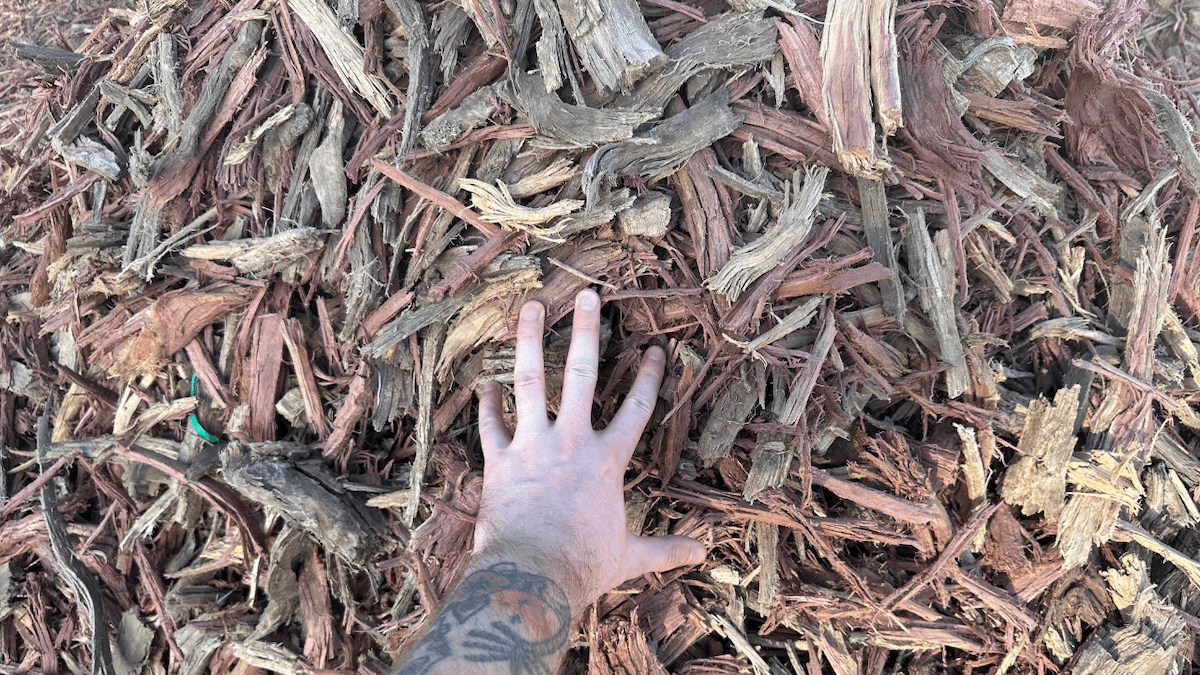
These machines are engineered with reinforced hoppers, powerful infeed systems, and commercial-grade engines to handle hardwood, whole trees, and large volumes of material. Industrial wood chippers support chip production for mulch, compost feedstock, biomass, and site cleanup—improving productivity and reducing disposal costs on demanding job sites.
What an Industrial Wood Chipper Does
An industrial wood chipper reduces wood waste into uniform chips using a drum, disc, or high-performance cutting system. The machine’s infeed mechanism pulls debris into the cutting chamber, where knives or drum teeth break material into controlled chip sizes. Industrial chippers support continuous-duty work across:
- Land clearing and vegetation management
- Tree service operations
- Commercial landscaping
- Sawmill waste processing
- Biomass fuel production
- Construction and site cleanup
These machines replace manual cutting, reduce hauling costs, and produce consistent wood chips suitable for mulch or composting.
Types of Industrial Wood Chippers
Commercial operators select wood chippers based on capacity, mobility, and material type.
Drum Chippers
Drum chippers use a rotating drum with knives or teeth to produce consistent chip size. They handle high volumes of hardwood and softwood, making them ideal for municipalities, tree care companies, and land clearing crews needing reliable throughput.
Disc Chippers
Disc chippers use a steel disc with mounted knives to slice material into chips. These chippers deliver excellent chip quality and high production rates, favored by sawmills and operators producing biomass or landscaping mulch.
Tow-Behind Wood Chippers
Tow-behind chippers attach to trucks or work vehicles and are common in tree care, landscaping, and municipal operations. They offer strong mobility, capacity, and power without the added cost of a self-propelled unit.
Self-Propelled Wood Chippers
Self-propelled chippers provide maneuverability in rough terrain and off-road sites. They are used in land clearing, utility right-of-way maintenance, and forestry workflows where access is difficult.
Whole Tree Chippers
Whole tree chippers are large-capacity, high-performance machines capable of processing full trees and heavy brush. These are used by forestry contractors, biomass producers, and large-scale land clearing operations.
Key Features of an Industrial Wood Chipper
Several components define chipper performance, efficiency, and durability.
Horsepower and Power Systems
Commercial wood chippers use high-horsepower diesel or gas-powered engines, including Kohler and other industrial-grade brands. Higher horsepower increases chipping capacity and improves performance in heavy hardwood.
Infeed System
Professional infeed rollers, feed trays, and hydraulic assist systems pull material smoothly into the cutting chamber. High-performance infeed designs reduce operator strain and increase production output.
Hopper Design
A reinforced hopper supports large-diameter logs, long limbs, and wood waste without clogging. Industrial hoppers allow easier feeding with loaders or excavators during commercial work.
Cutting System
Drum and disc systems determine chip size, fuel efficiency, and cutting strength. Adjustable chip size settings allow operators to tailor output for mulch, compost, or biomass applications.
Durability and Heavy-Duty Construction
Industrial chippers feature reinforced frames, replaceable wear parts, commercial bearings, and high-quality steel construction to withstand continuous use in high-production environments.
Mobility Options
Tow-behind and self-propelled systems allow operators to move equipment around job sites, access difficult terrain, or transport the unit between projects.
Applications Across Commercial Wood Waste Management
Industrial wood chippers play a critical role in tree care and arborist operations, where crews regularly deal with branches, limbs, and full trunk sections during removals, pruning, and storm cleanup. Tow-behind and self-propelled chippers allow tree service companies to process material directly on site, reducing hauling volume and improving cleanup speed while delivering consistent chip size for disposal or reuse.
In land clearing and vegetation management, high-capacity drum and whole-tree chippers help contractors manage large volumes of mixed woody debris. These machines break down brush, saplings, and felled trees quickly, allowing crews to maintain productivity on large tracts of land and produce biomass or mulch material in a single pass. Their throughput and durability make them essential equipment for forestry, right-of-way maintenance, and large development projects.
Sawmills rely on industrial chippers to convert slabs, offcuts, and trim waste into usable wood chips. These chips support multiple revenue streams, whether sold as landscaping mulch, used internally as boiler fuel, or supplied to downstream processors in the biomass industry. By turning waste products into marketable material, chippers help sawmills improve efficiency and reduce disposal costs.
Municipal green waste sites use chippers to handle brush, leaf piles, and storm debris from residential collection programs. This allows cities to reduce landfill volume and produce compost or mulch for public works projects. For municipalities facing seasonal surges in yard waste, industrial chippers provide a reliable way to manage material quickly and safely.
Across the renewable energy sector, wood chips produced by industrial chippers serve as an important feedstock for biomass facilities. These chips support energy production systems that use organic material as a renewable fuel source, helping industries and municipalities reduce reliance on fossil fuels and move toward more sustainable waste-to-energy solutions.
Benefits of Using an Industrial Wood Chipper
Industrial wood chippers offer significant productivity and economic advantages:
- High chipping capacity and continuous-duty performance
- Ability to handle hardwood, large limbs, and full trees
- Reduced hauling and disposal costs
- Consistent chip size for mulch and compost applications
- Heavy-duty durability for demanding environments
- Improved cleanup speed on commercial job sites
- Versatility across tree care, land clearing, and sawmill workflows
These machines deliver reliable, high-performance chipping for operators who require consistent output and long-term durability.
Frequently Asked Questions About Industrial Wood Chippers
What is the difference between an industrial wood chipper and a chipper shredder?
Industrial chippers use drum or disc systems for high-volume commercial work, while chipper shredders are lighter machines designed for small debris and non-commercial use.
How is chip size controlled?
Drum and disc chippers use adjustable blades or screens to determine chip size depending on end-use requirements.
Can industrial wood chippers handle hardwood?
Yes. Heavy-duty drum chippers and large tow-behind models are engineered to process dense hardwood efficiently.
What size material can an industrial wood chipper handle?
Capacity varies, but many commercial units handle material from 10 inches up to whole trees, depending on horsepower and cutting system.
Are tow-behind chippers suitable for commercial work?
Yes. Tow-behind models are widely used by tree care companies, municipalities, and landscaping contractors due to their mobility and power.


