Shredder Rent vs Buy: The Real Cost Breakdown for Industrial Operations

When evaluating industrial shredding equipment, many operators focus first on rental rates versus purchase price. On paper, renting a shredder often looks cheaper. In practice, the total cost of renting versus buying becomes clear once real utilization, downtime, and material volume are considered.
For waste processors, recyclers, demolition contractors, and industrial facilities, the rent-versus-buy decision has a direct impact on operating margins.
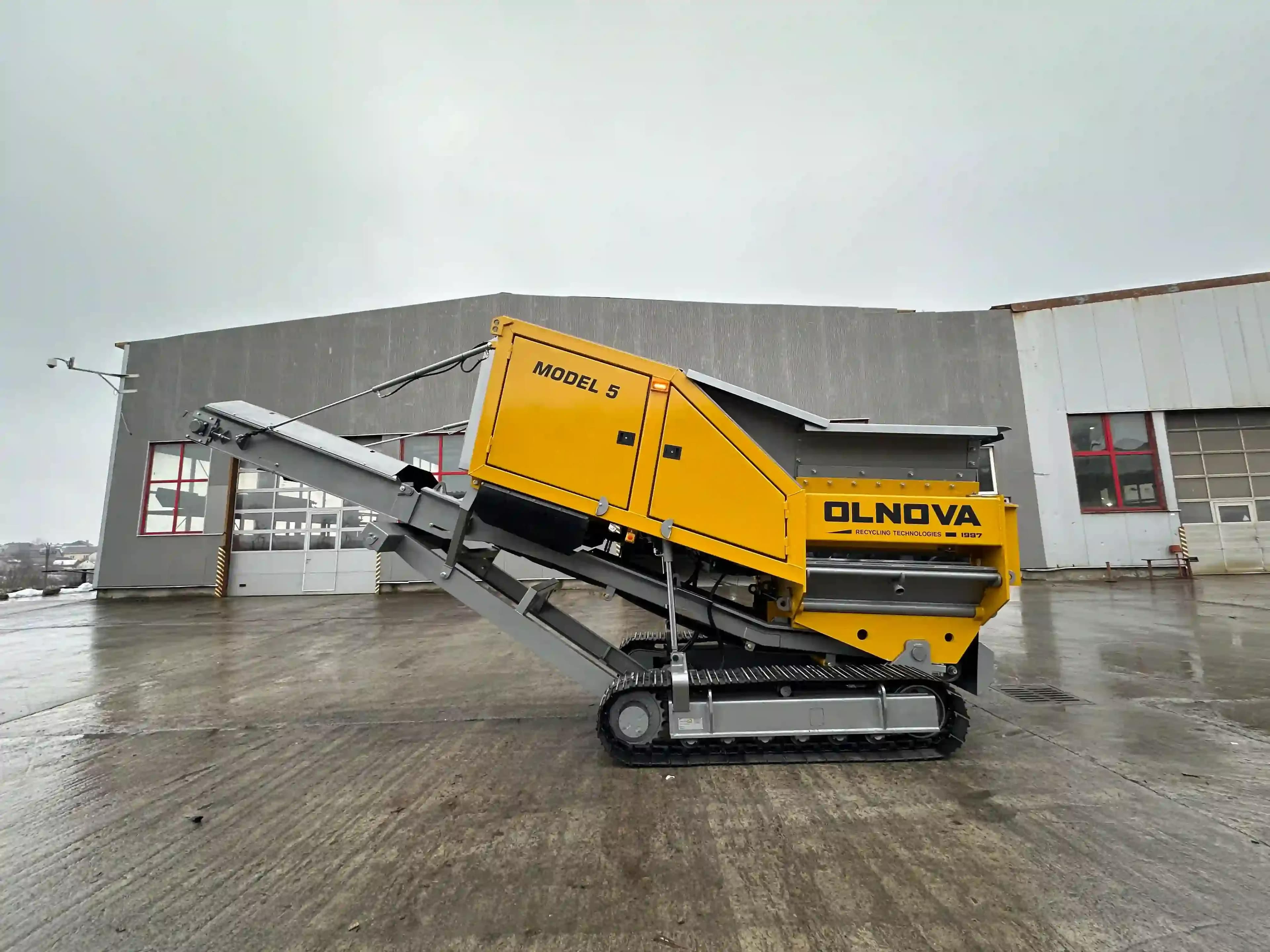
Why Renting a Shredder Looks Cheaper Up Front
Industrial shredder rentals typically avoid upfront capital spend. Depending on size and configuration, rental rates commonly range from $30,000 to $75,000 per month, not including transportation and operators. For short-term projects or emergency cleanup, this can be a practical option.
Rentals also reduce approval friction and allow operators to return the machine once work is complete. For low-frequency use, this flexibility has value.
The problem is that rental economics are designed for short-term use, not ongoing operations.
The True Cost of Renting an Industrial Shredder
Rental costs accumulate quickly. A small-capacity industrial shredder rented at $30,000 per month will cost $360,000 per year, before transportation, setup, or wear charges.
Rent to Own options might be available with your dealer where usually the first month is offset at 100%, second at 90%, third at 70% and none after.
Most rentals also include:
• One-time mobilization and demobilization fees, often $5,000–$10,000 per move, that can be included in the rental depending on your distance from the dealership
• Fuel and consumables billed separately
• Wear penalties for knives, shafts, or screens
• Minimum rental periods that limit flexibility
If the shredder stays on site longer than planned, rental costs often approach the purchase price within 12–18 months.
Availability is another hidden cost. Rental fleets are limited, and the exact machine configuration may not be available when needed. This often forces operators to run suboptimal equipment or delay production.
What Buying an Industrial Shredder Really Costs
Purchasing an industrial shredder typically requires $350,000 to $950,000+, depending on throughput, shafts configuration, and mobility. While this is a larger upfront investment, ownership fundamentally changes the cost structure.
Instead of fixed monthly rental fees, ownership costs are driven by:
• Fuel or power
• Wear parts such as knives and screens
• Planned maintenance
For many operators, annual operating and maintenance costs fall in the range of $15,000–$40,000, depending on usage and material type.
As a rule of thumbs, 3-5% of the cost of the equipment should be planned to go in the first years towards its preventative maintenance.
When spread over a 5–7 year service life, the cost per ton processed is significantly lower than renting.
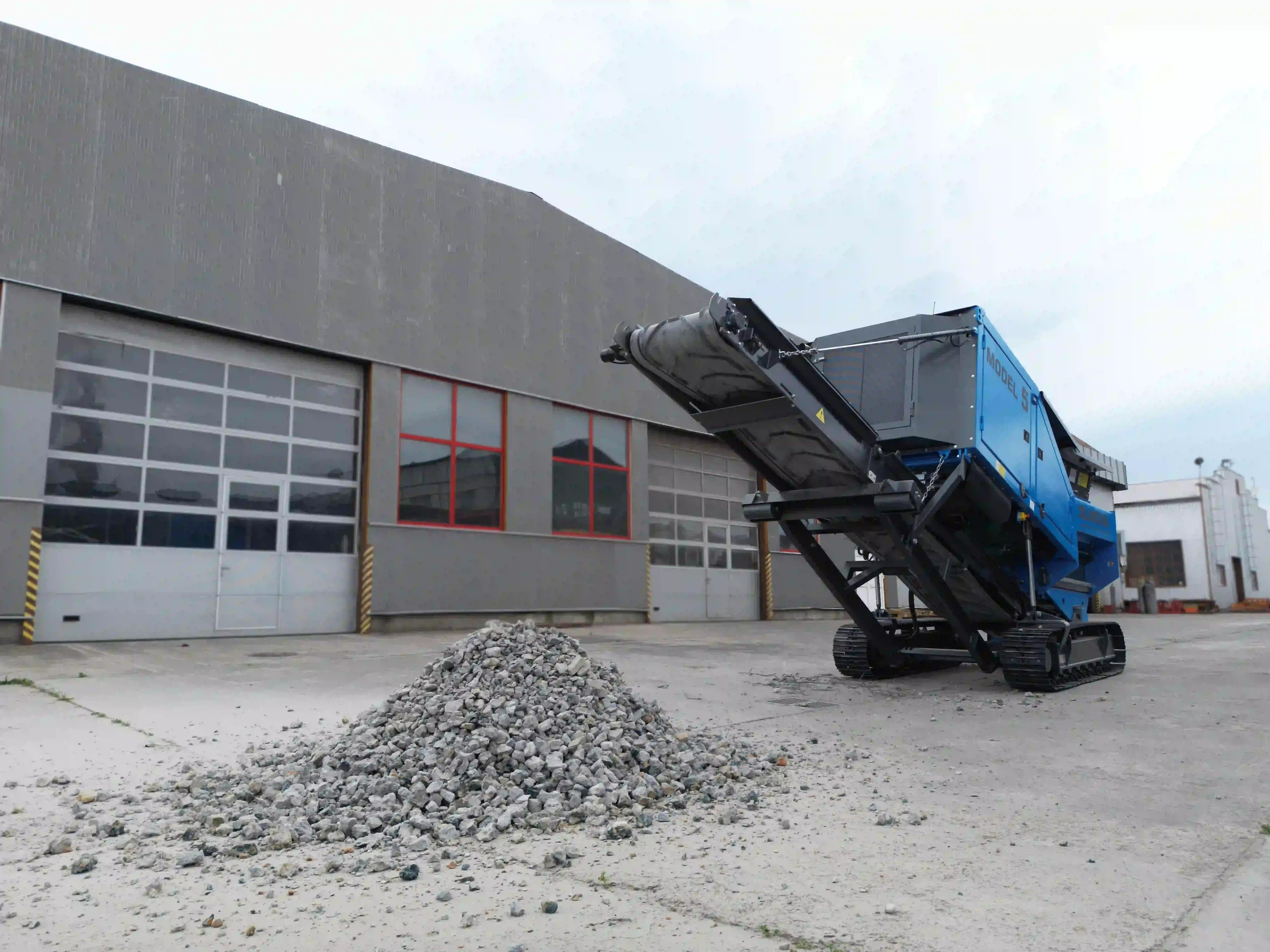
Utilization Changes the Math Quickly
Consider a shredder used three days per week:
• Rental at $10,000 per month equals $120,000 per year
• Ownership amortized over 7 years at $200,000 equals ~$28,500 per year, excluding operating costs
Even after adding maintenance and wear, ownership can deliver 40–60 percent lower annual cost once utilization exceeds a few days per month.
Operational Control and Throughput Gains
Owned shredders can be configured for the specific material stream. Knife geometry, shaft speed, and feed method can be optimized to reduce rework and increase throughput.
A modest throughput improvement of 10–20 percent can translate into tens of thousands of dollars annually in added processing capacity. Rental machines rarely allow this level of optimization.
Ownership also eliminates scheduling around rental availability. The machine is ready when material arrives, not when a rental slot opens.
Residual Value Changes the Equation Further
Unlike rental payments, purchased shredders retain value. Well-maintained machines often retain 50–70 percent of their value after several years of service, depending on market conditions and configuration.
That residual value further reduces the true cost of ownership and provides flexibility if operations change.
When Renting Still Makes Sense
Renting remains appropriate for:
• One-off demolition or cleanup projects
• Short-term pilot programs
• Temporary volume spikes
• Emergency response situations
If shredding is unpredictable or rare, renting avoids tying up capital. Once shredding becomes part of weekly operations, renting usually becomes the more expensive option.
Where the Break-Even Point Typically Lands
For most industrial shredders sold through Machinery Partner, the rent-versus-buy break-even point typically occurs between 6 and 12 months of regular rental use.
Beyond that point, operators are effectively paying ownership-level costs without building any asset.
Renting a shredder minimizes upfront commitment but maximizes long-term expense. Buying requires capital but delivers lower cost per ton, higher throughput, operational control, and asset value.
For any operation shredding material on a recurring basis, buying is almost always the more economical decision.
Check out our Shredder Cost of Ownership Calculator
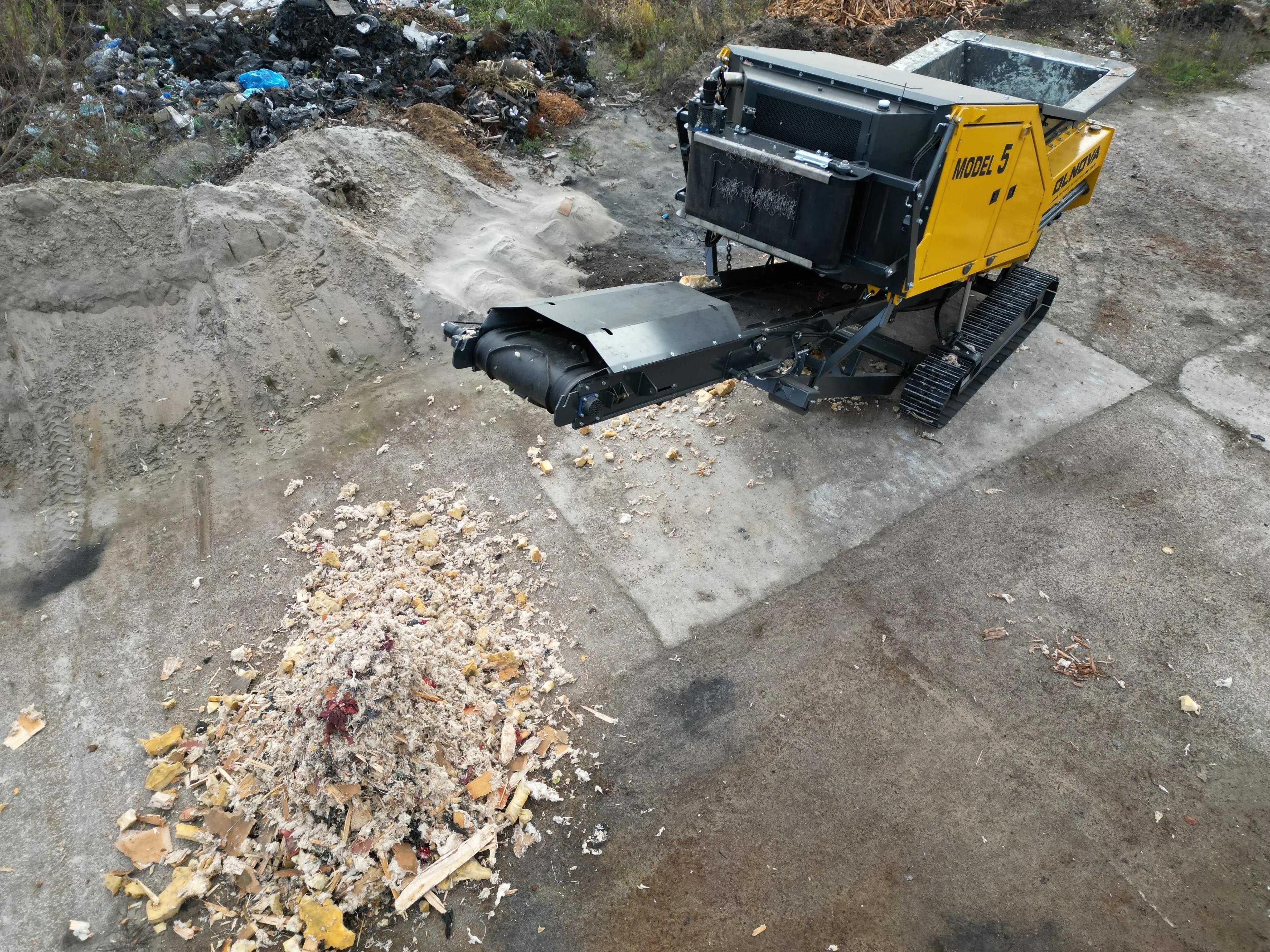
Frequently Asked Questions About Renting vs Buying a Shredder
Is renting ever cheaper than buying?
Yes, for short-term or emergency projects. For recurring use, renting becomes more expensive quickly.
How long does it take to break even when buying?
Many operators reach break-even within 6 to 12 months of regular use.
Do owned shredders cost more to maintain?
Maintenance costs are predictable and typically far lower than annual rental fees.
Can an owned shredder be resold?
Yes. Industrial shredders often retain significant resale value if maintained properly.
Does buying reduce downtime risk?
Yes. Owned equipment allows proactive maintenance and faster response when issues arise.


