Ready Mix Washout Concrete Recycling: Practical Solutions for Producers and Contractors

Ready mix washout concrete recycling has become an operational priority for concrete producers and contractors managing high truck volumes and tight job sites. Every washout from a mixer truck, pump, or batch plant creates slurry that contains cement fines, aggregate, sand, and highly alkaline water. Left unmanaged, this material drives up disposal costs and creates environmental and compliance risk.
Recycling washout on site allows producers to manage this waste stream as part of daily operations rather than treating it as a separate disposal problem.
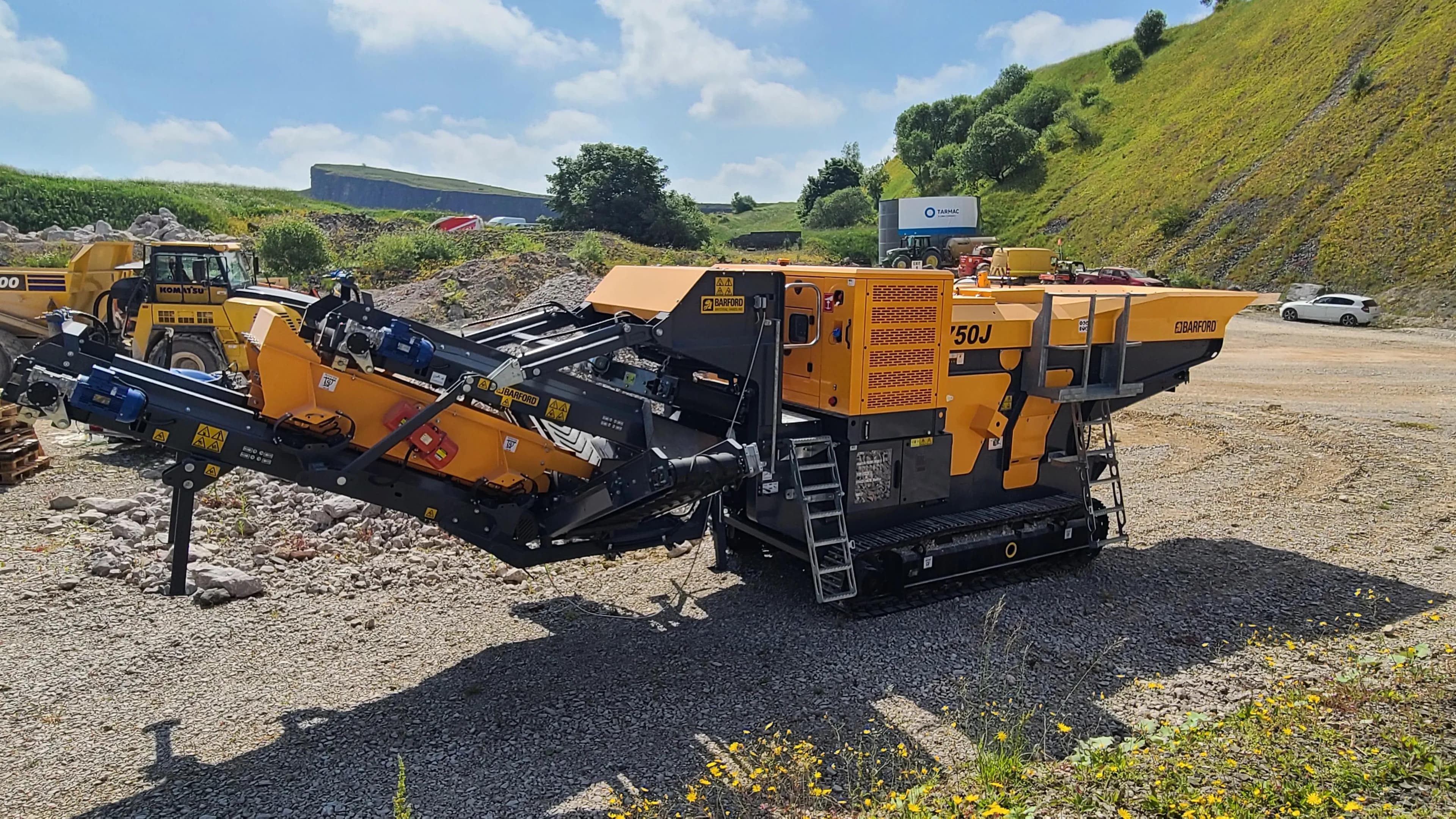
What Ready Mix Washout Concrete Recycling Is
Ready mix washout recycling refers to the controlled processing of leftover concrete and rinse water generated during equipment cleanout. Instead of discharging into open pits or roll-off containers, trucks deposit washout into a designated system designed to handle slurry safely and consistently.
These systems separate solids from liquid, allowing aggregate and sand to be recovered while reducing the volume of material that must be hauled or disposed of. The remaining slurry is stabilized or processed further depending on site requirements.
The goal is to reduce hauling, limit environmental exposure, and keep trucks moving.
Why Washout Management Breaks Down at Scale
Traditional washout methods can work at low volumes, but they do not scale well. As production increases, washout pits fill faster, roll-off dumpsters require more frequent swaps, and cleanup becomes disruptive to daily operations.
Disposal costs rise quickly as hauling frequency increases. At the same time, environmental oversight has increased, especially around high-pH runoff and stormwater contamination. Many job sites and batch plants are now required to demonstrate active washout control rather than passive containment.
For high-throughput operations, unmanaged washout becomes both a cost center and a compliance liability.
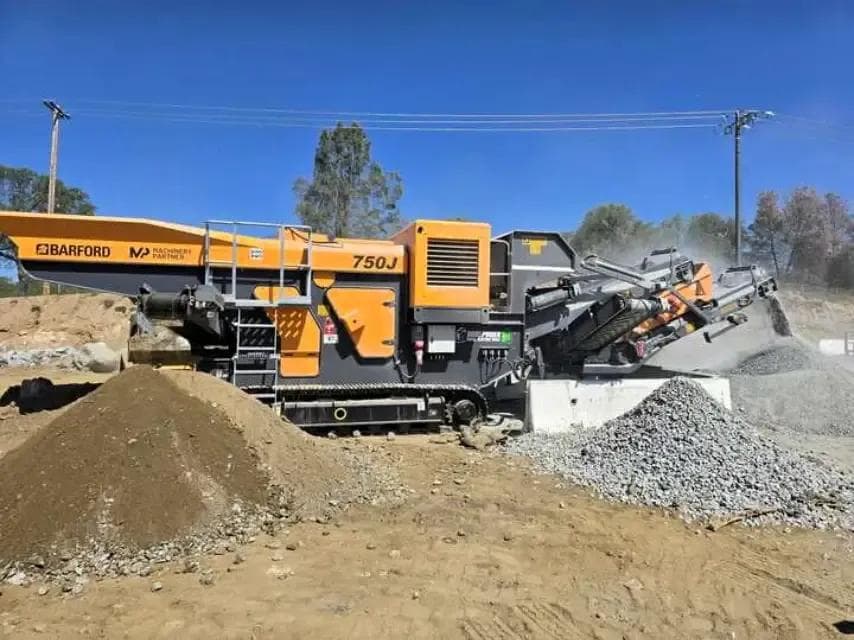
How On-Site Washout Recycling Systems Work
On-site washout recycling systems are designed to process slurry continuously during daily operations. Trucks discharge washout directly into the system during cleanup, eliminating secondary handling.
Material is mechanically separated using screening, settling, or crushing processes. Coarse aggregate and sand are recovered for reuse or internal applications such as road base or fill. Slurry volume is significantly reduced, and water is managed in a controlled environment rather than discharged.
This approach keeps washout predictable and contained while reducing interruptions to production.
On-Site Recycling Versus Off-Site Disposal
Off-site disposal relies on hauling slurry or hardened material to landfills or recycling facilities. This introduces truck traffic, container logistics, tipping fees, and downtime.
On-site recycling reduces or eliminates those variables. Material is processed where it is generated, which lowers hauling frequency and simplifies waste handling. For high-volume producers, this approach is typically more stable and cost-effective over time.
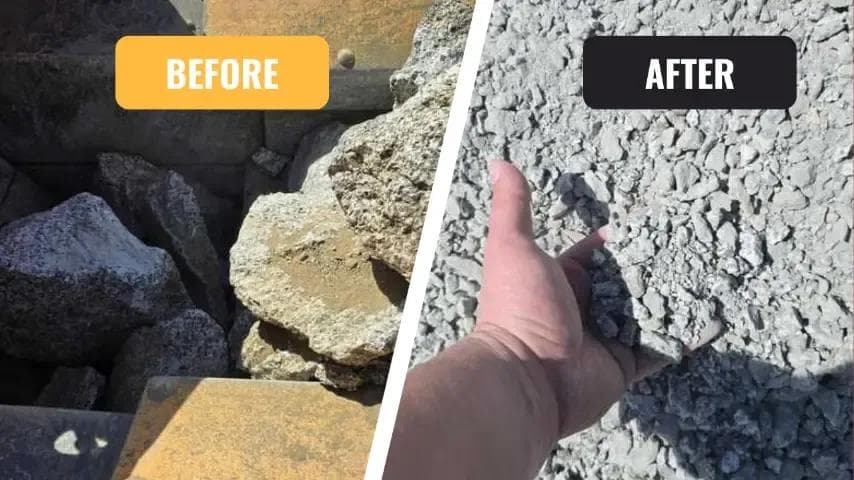
Machine Types Used in Concrete Washout Recycling
Concrete Washout Recyclers
These are purpose-built systems designed to process slurry from mixer truck and pump cleanouts. They separate aggregate from cement fines and reduce washout volume on site. These machines are common at batch plants and large job sites where washout is generated daily.
Concrete Reclaimers
Concrete reclaimers are often used at ready mix plants to recover aggregate from returned concrete and washout water. They use mechanical separation and settling to reclaim reusable material and manage high-pH slurry in a controlled process.
Industrial Screens
Screens are used to separate coarse aggregate and sand from washout material after discharge. They are often paired with washout systems or reclaimers to improve separation efficiency and control output size.
Crushers (Secondary Processing)
In some operations, recovered concrete or hardened washout material is further processed using crushers to produce reusable aggregate or base material. This is more common at fixed plants or recycling yards.
Settling Tanks and Slurry Management Systems
Settling tanks, clarifiers, and slurry management systems are used to manage fine material and water after separation. These systems reduce suspended solids and help control pH before reuse or disposal.
Material Handling Equipment
Loaders, conveyors, and pumps are used to move recovered aggregate and slurry between stages of the washout recycling process.
How These Machines Work Together
Most washout recycling setups combine:
• A washout recycler or reclaimer for primary separation
• Screens for aggregate recovery
• Slurry management for fines and water control
The exact configuration depends on truck volume, available space, and whether the operation is temporary or permanent.
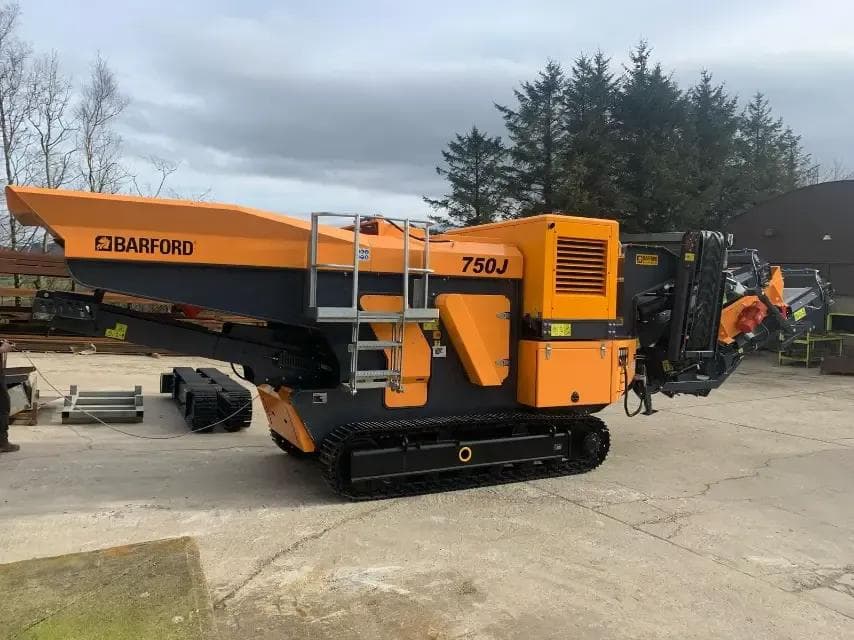
Where Ready Mix Washout Recycling Is Used
Batch plants use washout recycling to manage daily truck cleanout while reclaiming usable aggregate. Large construction projects rely on on-site systems to avoid repeated roll-off swaps and site congestion. Infrastructure and municipal projects use washout recycling to meet environmental requirements without slowing production schedules.
In each case, the objective is the same: manage washout without disrupting core operations.
Environmental and Compliance Benefits
Washout recycling reduces uncontrolled discharge and limits the risk of high-pH runoff entering soil or stormwater systems. Containment and processing help producers meet environmental regulations and reduce inspection risk.
Recycling also lowers landfill volume and reduces hauling-related emissions. For many organizations, washout recycling now supports both compliance and sustainability goals.
Cost and Operational Impact
The primary cost savings come from reduced hauling and disposal. Many producers see a substantial reduction in pickup frequency, which directly lowers tipping fees and transportation costs.
Recovered aggregate offsets material purchases, while faster cleanup improves truck utilization. Over time, these operational gains often outweigh the initial investment in recycling equipment.
Choosing the Right Washout Recycling Approach
The right solution depends on production volume, available space, and workflow. High-output plants require higher throughput systems, while constrained job sites may need compact configurations.
Key considerations include processing capacity, reliability, ease of use, and how seamlessly the system fits into daily truck flow. A system that slows cleanup or requires excessive manual handling will not be used consistently.
Frequently Asked Questions About Ready Mix Washout Concrete Recycling
What is concrete washout recycling?
It is the controlled processing of leftover concrete and rinse water from mixer trucks and equipment, allowing solids to be separated and waste volume reduced.
Why is washout recycling important for ready mix producers?
It reduces disposal costs, limits environmental risk, and keeps trucks and crews productive.
Can recycled aggregate be reused?
Recovered aggregate is often reused for non-structural applications such as fill, road base, or internal site use.
Does washout recycling reduce hauling?
Yes. Many operations reduce hauling frequency significantly by processing washout on site.
Is washout recycling required for compliance?
Requirements vary by location, but regulations increasingly favor controlled washout management over open pits or uncontrolled discharge.
How do I know if on-site recycling makes sense for my operation?
If washout hauling, disposal fees, or compliance management are creating friction in daily operations, recycling is usually worth evaluating.