The Concrete Batching Plant Buying Guide


Buying a concrete batching plant can transform how your company manages materials, controls quality, and captures profits. Whether you’re a contractor tired of paying for ready mix deliveries, or an entrepreneur looking to open a retail concrete business, the right batch plant can give you independence, better margins, and the ability to grow.
This guide will walk you through everything you need to know before buying—from the business case and setup process to types of plants, ROI, and leading brands on the market.
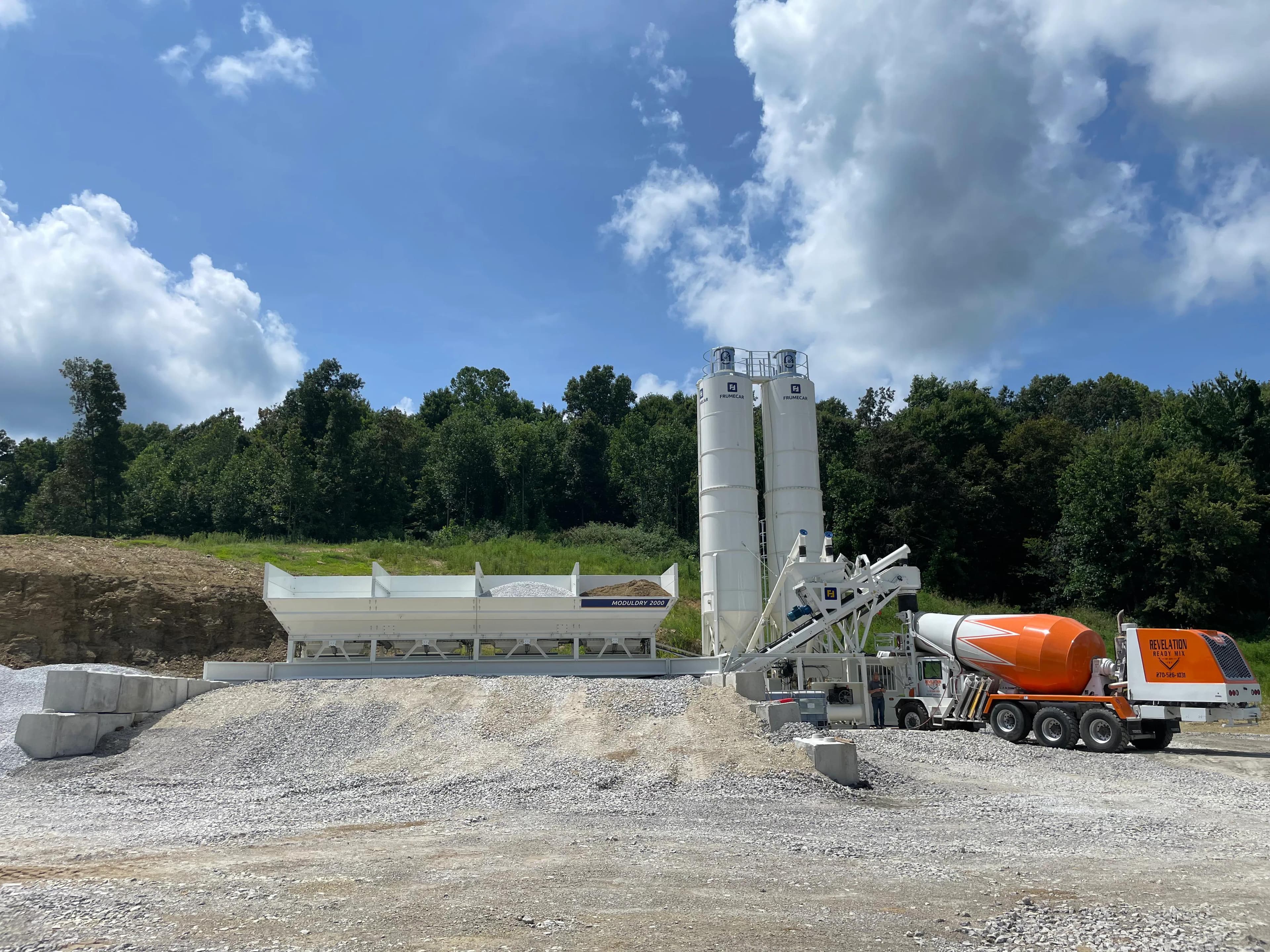
Why Buy a Concrete Batching Plant?
Most companies explore buying a concrete batching plant for one of two reasons: to produce concrete for their own jobs or to enter the ready-mix business.
1. Self-Production (In-House Use)
Owning a plant for self-production gives you full control over your mix design, scheduling, and costs. You no longer rely on third-party deliveries or deal with delays that slow down your projects. For many contractors, this control translates into better efficiency and cost savings.
A good rule of thumb: if you’re pouring more than 2,000 cubic yards of concrete on a project, buying your own batch plant starts to make financial sense. Instead of paying per yard from a supplier, you can produce the exact amount you need, when you need it.
Pro tip: Start small with a portable dry mix plant that can be moved between jobs. The Frumecar Dry Mix Batch Plant, available through Machinery Partner, is an excellent entry-level option for contractors who want flexibility without heavy infrastructure costs.
2. Retail or Ready-Mix Business
If you’re exploring a retail-ready mix operation, the first question to ask is whether there’s a strong local market. Are contractors in your area struggling to get timely deliveries? Are there new subdivisions or infrastructure projects underway? If so, producing and selling ready-mix concrete can be a high-margin business.
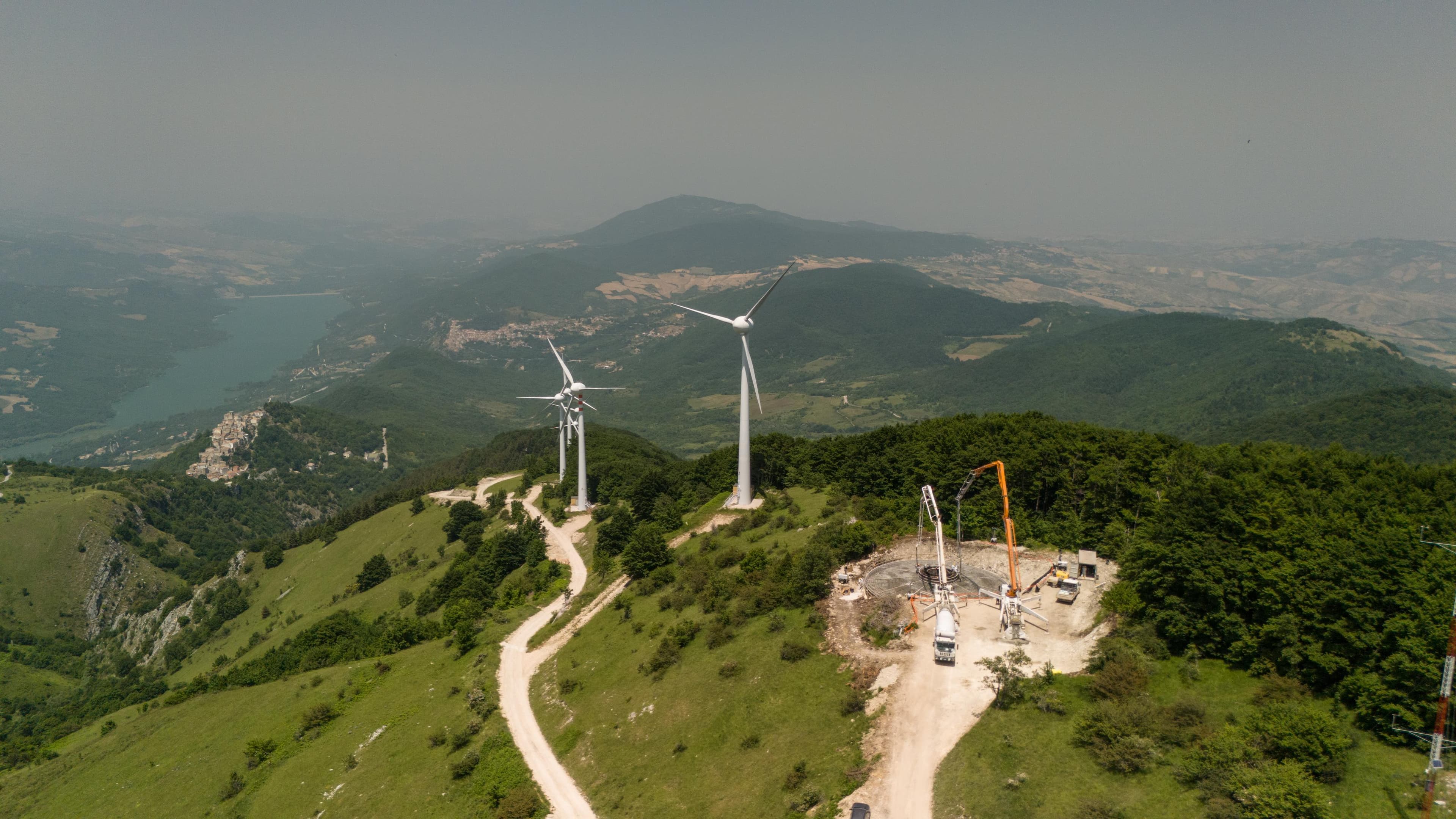
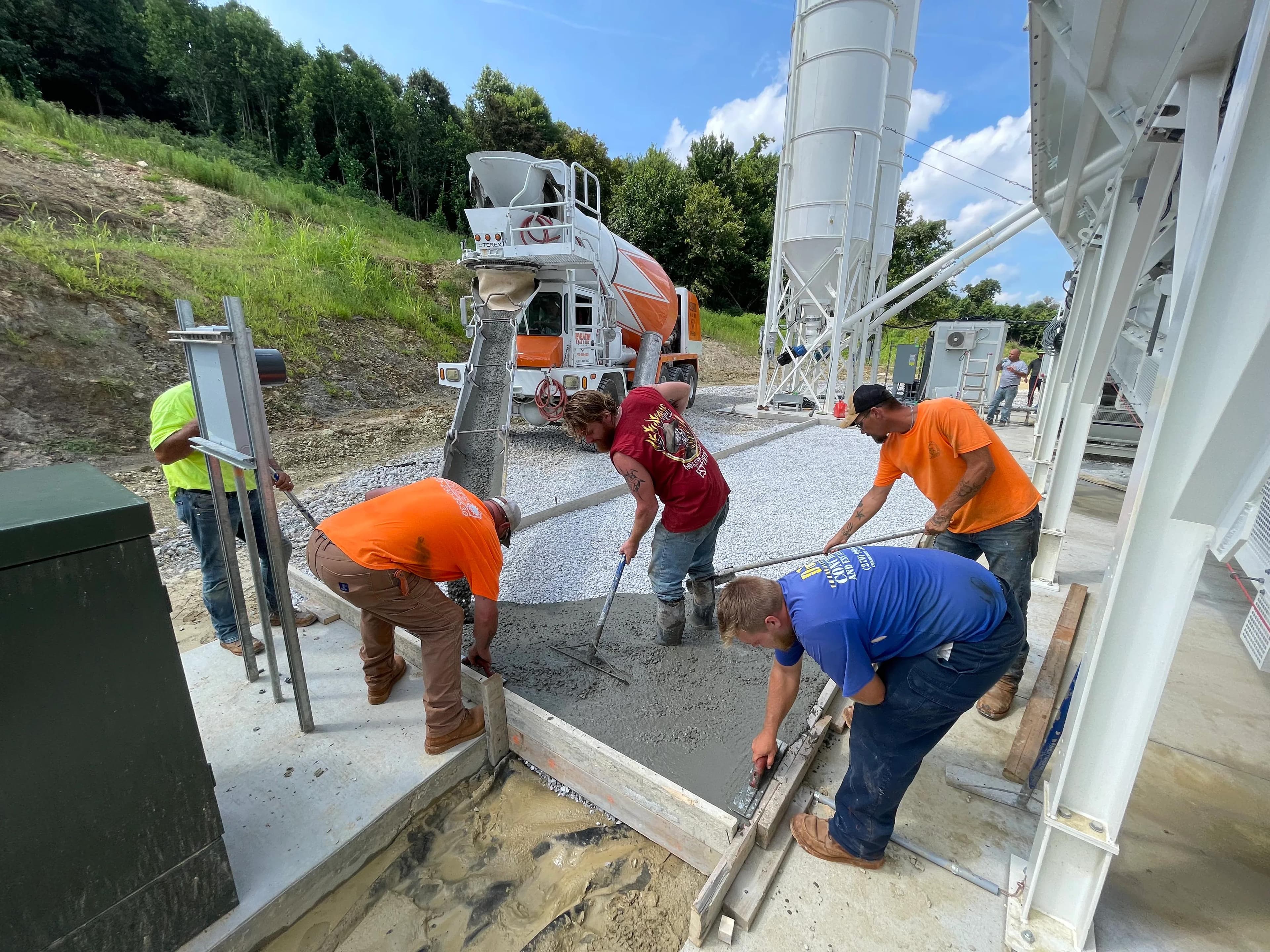
Some operators even do both: producing concrete for their own projects and selling excess capacity to nearby contractors. DG Concrete is a perfect example—they used their Frumecar dry mix plant to build both an internal production system and a new ready-mix business under the Revelation Ready Mix brand.
When you’re buying, it’s important to think about your long-term goals. Will this plant only serve one project, or do you plan to use it across multiple jobs or for retail production? Machinery Partner offers ROI calculators to help you model profitability before you buy.
Recommended Approach to Buying
Buying a batch plant is more than just comparing prices. It’s about assessing ROI, logistics, and the complete operating picture.
1. Start with ROI
Your investment should be driven by production volume and usage frequency. Calculate how many yards you pour per week or month, and compare that to your current costs for ready mix. A plant can quickly pay for itself when used consistently across multiple projects.
Machinery Partner’s team can help you assess ROI with real numbers—factoring in materials, fuel, labor, and potential resale value of produced concrete.
2. Identify a Site or Mobile Setup
Batch plants come in stationary, portable, and mobile configurations. If you have a permanent yard with enough space for silos, conveyors, and aggregate bins, a static plant is ideal. If you’re working across multiple sites, a mobile concrete batching plant that can be set up in hours may fit better.
Frumecar’s Dry Mix 2000L is a good example of a semi-mobile plant—it can be installed on-site quickly, and its compact footprint makes it suitable for temporary or seasonal operations.
3. Understand Permitting and Environmental Needs
Before purchase, check local permitting rules. You may need approval for emissions, dust collection systems, and water management. Many plants today come with built-in dust control and dust collector systems, helping meet environmental standards.
4. Think Holistically About Ownership
Owning a batch plant means managing more than just the machine. You’ll need supporting equipment like cement silos, aggregate conveyors, water heaters, and sometimes chillers for temperature-sensitive mixes. Maintenance, calibration, and software updates are also part of the ownership picture.
For a deeper look at plant ownership, read our article, Running Your Own concrete batching plant: The Ultimate Guide Checklist. It walks through daily operations, maintenance, and cost considerations.
Buying Considerations When Owning a Batch Plant
Before purchasing, review these key factors to ensure your investment supports both productivity and profitability:
- Production requirements: Know your target output in yards per hour and per day.
- Location logistics: Ensure access for trucks, aggregate deliveries, and utilities.
- Equipment mobility: Decide between stationary, portable, or fully mobile systems.
- Mix type: Choose between dry or wet mix depending on project type and pour distance.
- Quality control: Look for plants with advanced batching software and automation options.
- Environmental compliance: Plan for dust collection, runoff control, and emissions standards.
- Support network: Make sure your supplier offers installation, training, and parts availability.
Machinery Partner can help with every step—from equipment sourcing and ROI modeling to connecting you with installation and service partners across North America.
Choosing the Best Plant for You
Choosing the right concrete batching plant starts with understanding how you plan to use it. Every setup—dry, wet, portable, or stationary—has trade-offs in cost, output, and mobility.
1. Type of Usage: Self-Production or Ready-Mix
If you’re producing concrete for your own projects, a compact dry mix plant can offer the best balance of simplicity and efficiency. The plant measures and loads the correct mix of aggregates, cement, and water directly into the truck’s rotating drum, where the mixing occurs on the road or at the site. This minimizes maintenance since the plant itself doesn’t include a central mixer.
For ready-mix retail operations, you may need a higher-capacity setup that can deliver consistent output at speed. A wet batch plant, where the concrete is mixed before loading, is often the better option. Wet plants are ideal when you’re pouring large volumes each day or supplying multiple trucks on tight schedules.
2. Mobility: Static, Portable, or Mobile
Stationary concrete batching plants are typically used for high-volume, long-term production. These are built to last, with heavy-duty frames, multiple aggregate bins, cement silos, and dust collection systems.
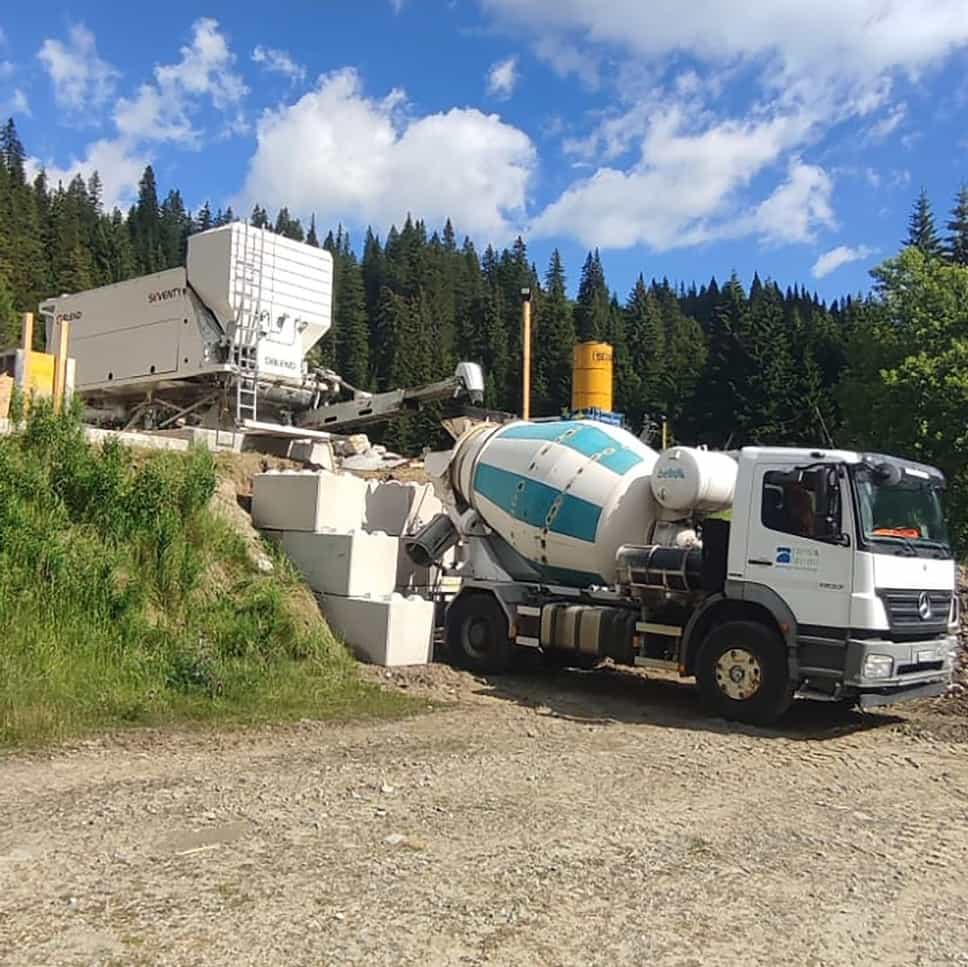
Portable and mobile plants offer a different kind of value. These setups can be erected on-site, often in less than a day, and easily transported to new projects. Machinery Partner’s Frumecar Dry 1200L and Dry 2000L models are designed for exactly this—compact, modular, and easy to relocate.
For short-term or remote projects, a self-erecting mobile concrete batching plant may be the fastest route to production. These systems come pre-wired and pre-plumbed, allowing you to start batching within hours.
3. Dry or Wet Mix: Understanding the Trade-Off
A dry mix batch plant sends all ingredients into the concrete truck’s drum for mixing. These are lower cost, lower maintenance, and highly reliable for general construction. A wet mix batch plant mixes the concrete in a central mixer before loading, which saves truck cycle time and ensures uniformity—important when your pour site is close and volume is high.
Dry plants are great for ready mix, remote locations, and longer delivery distances. Wet plants are preferred for high-spec concrete, high volume project like commercial pours and road projects
To learn more about dry vs. wet mix batch plants, check out our article on how to choose one or the other.
4. Production Needs: Matching Output to Your Operation
Determine your required production rate in yards per hour. Many plants are rated from 30 to 150 cubic yards per hour, but actual performance depends on material handling and operator efficiency.
If your peak load is under 100 yards per day, a compact dry plant like the Frumecar Dry Mix 1200L or Blend E025 Mobile Plant might be ideal. If you’re targeting 400 yards or more per day, consider a wet or central mix plant from manufacturers such as Vince Hagan or Stephens Manufacturing, both of which offer high-output systems with advanced batching control systems.
Brands to Consider
When choosing a plant, reputation and support matter as much as performance. Machinery Partner works directly with top global manufacturers and can also source from other leading suppliers through its RFQ network.
Here are some of the most trusted names in batching:
- Frumecar – Known for high-quality European engineering, modular design, and digital control systems. Their dry mix plants are among the most reliable and easiest to maintain.
- Vince Hagan – A U.S. manufacturer specializing in large-scale ready-mix and stationary batching systems with advanced automation.
- Astec – Renowned for heavy-duty construction and integration with asphalt and aggregate handling systems.
- Stephens Manufacturing – Offers robust central mix plants for commercial and industrial concrete producers.
- Cemco – Focused on mobile and self-erecting plants for contractors who need quick setup and relocation.
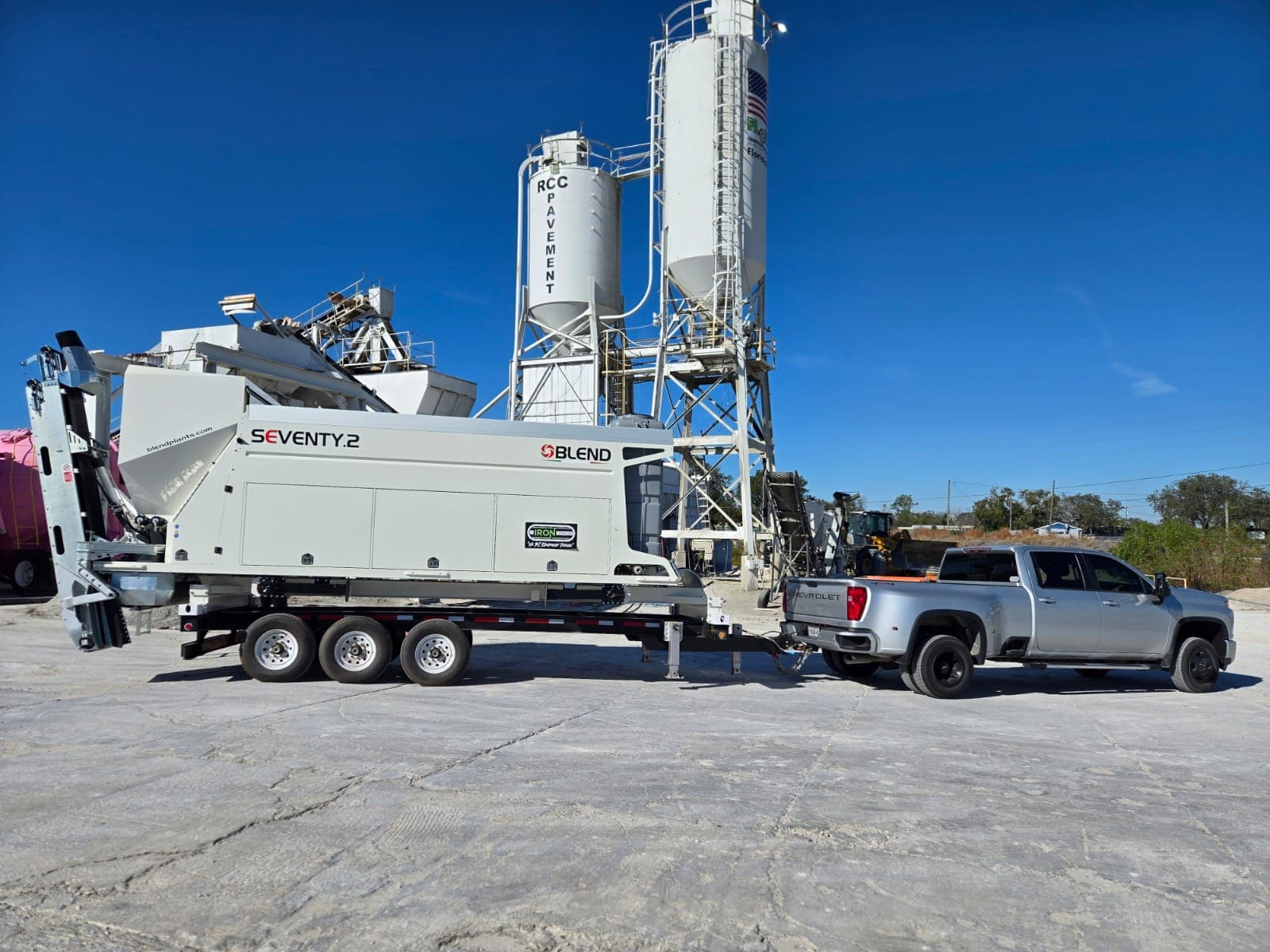
- Blend – Provides compact, mobile mixing units ideal for small-batch or on-site applications.
- Liebherr – Known for precision, automation, and high production capacity.
- Cementech – A top choice for volumetric mixing systems and on-demand production.
Machinery Partner can help you compare specs, production rates, and lead times across all these brands to find the best fit for your business.
How to Choose: Buying Considerations
Before signing a purchase order, evaluate each plant through the lens of long-term usability, total cost, and post-sale support.
Model and Brand Selection
Check for proven reliability, availability of parts, and accessible service networks. Machinery Partner’s vetting process ensures all listed equipment meets production and safety standards.
Key Specs
Compare yards per hour production rates, plant footprint, power options, aggregate bin capacities, cement silo size, mixer type (for wet plants), and control system capabilities.
Price and Lead Time
Depending on model and configuration, batch plants can range from under $100,000 for compact mobile setups to several hundred thousand for large central mix systems. Always consider installation and freight when comparing costs.
Ease of Use and Automation
Look for systems with intuitive control panels, remote monitoring, and automated batching to reduce operator error.
Quality of Design
Reinforced frames, heavy-duty conveyors, and corrosion-resistant hoppers all extend plant lifespan.
Setup and Assembly
Ask how long it takes to install and calibrate. Self-erect plants and pre-assembled modular systems reduce downtime and labor costs.
Post-Sale Support
Your relationship with the supplier matters. Machinery Partner provides end-to-end assistance—from financing and freight logistics to connecting you with setup experts and service partners.
Case Study: DG Concrete
DG Concrete and Revelation Ready Mix are proof of what’s possible when you combine smart planning with the right equipment. They invested in a Frumecar dry mix batch plant sourced through Machinery Partner to serve both their own construction projects and external contractors.

The results were immediate: consistent high-quality concrete, lower per-yard costs, and faster delivery times for customers. The dual-use model allowed DG Concrete to operate efficiently while building a new revenue stream in their local market.
You can read their full story in the DG Concrete case study.
Final Thoughts
Owning a concrete batching plant gives you control, consistency, and cost efficiency—three things that can make or break profitability in construction. The key is aligning your plant type, capacity, and setup with your long-term business goals.
If you’re ready to explore your options, Machinery Partner can help you:
- Compare top global brands side by side
- Model your ROI with real project data
- Access fast financing and nationwide delivery
- Connect with installation and support partners