Scrap Metal Shredding: Throughput, Equipment Choices, and Real Economics

Scrap metal shredding is a foundational process for recycling facilities that need to handle bulky, mixed, or irregular metal efficiently. Shredding reduces material size, improves downstream separation, and increases throughput across the entire processing line. For scrap yards, demolition contractors, and industrial recyclers, the shredder often determines how much material can be processed in a day and at what cost.
When shredding becomes part of regular operations, equipment selection and utilization have a direct impact on margins.
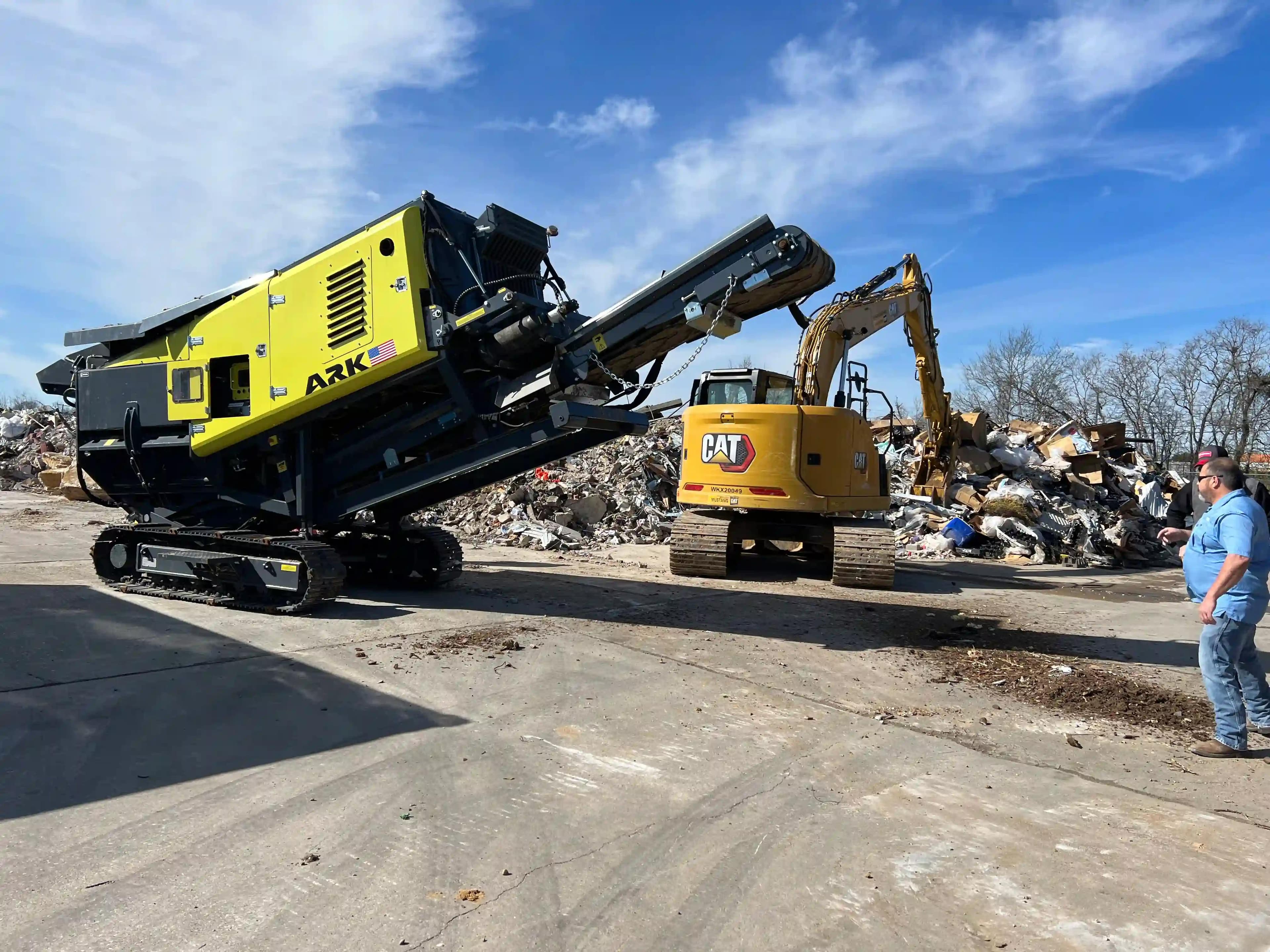
What Scrap Metal Shredding Accomplishes
Shredding breaks large or mixed metal scrap into smaller, more uniform pieces using high-torque mechanical force. This makes material easier to transport, easier to separate, and easier to sell. Shredded scrap feeds more consistently into magnetic separators, eddy current systems, and screening equipment, which improves recovery rates and product quality.
Without shredding, operations rely on manual handling or oversized downstream equipment, both of which reduce efficiency and increase labor cost.
Typical Scrap Metal Shredding Throughput
Throughput varies by shredder type and material mix, but realistic ranges for industrial operations look like this:
Low-speed dual-shaft shredders typically process 5 to 30 tons per hour of mixed or bulky scrap, depending on material density and contamination. These machines prioritize torque and control over speed and are common in scrap yards handling appliances, light iron, and demolition metal.
Single-shaft shredders used for lighter or more consistent scrap streams typically run in the 3 to 15 tons per hour range. They are often used where a defined output size is required before downstream separation.
High-speed systems and hammermill-style shredders operate at much higher throughput, often 40 to 100+ tons per hour, but they require significant infrastructure, power, and capital investment. These systems are typically found in large regional processing facilities.
For many mid-sized operations, low-speed industrial shredders offer the best balance of throughput, uptime, and operating cost.
Shredder Types Used in Scrap Metal Processing
Machinery Partner customers most commonly use low-speed, high-torque shredders for scrap metal applications. These machines handle bulky, irregular material without the violent impacts associated with high-speed systems.
Dual-shaft shredders are widely used for mixed scrap, appliances, and light iron. Their counter-rotating shafts pull material in and tear it apart at controlled speeds, reducing wear and minimizing fines.
Single-shaft shredders are used when operators need a more consistent output size. These machines work well for production scrap, thinner metal, and pre-sorted streams.
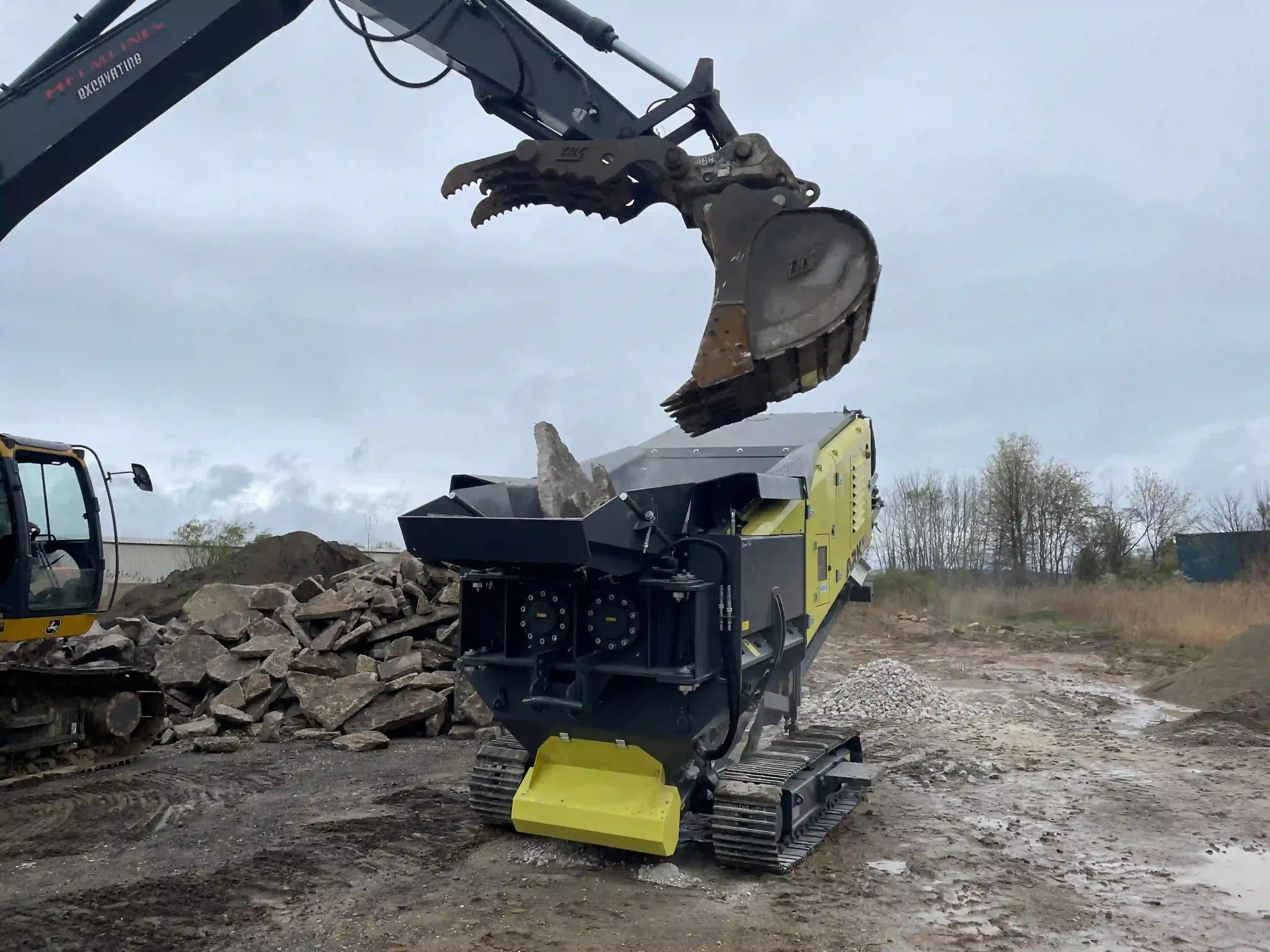
Mobile or modular shredders are often selected when space is limited or when shredding needs to move between sites.
Operating Cost Considerations
Shredding metal is demanding, but operating costs are predictable when the equipment is correctly matched to the material stream.
Fuel or power consumption varies by shredder size but is typically far lower per ton than manual handling or repeated transport. Wear parts such as knives and shafts represent the primary ongoing cost. For most operations, annual wear and maintenance costs fall in the $10,000 to $40,000 range, depending on material abrasiveness and utilization.
Downtime is the most expensive variable. Selecting a shredder designed for metal, rather than adapting a unit intended for lighter waste, is the fastest way to reduce unplanned stoppages.
Cost Impact of Shredding vs Not Shredding
Shredding increases scrap density, which reduces hauling and storage costs. Many operators see load density increase by 30 to 50 percent, allowing fewer truckloads per ton sold.
Shredding also improves separation efficiency. Better liberation typically leads to higher recovery of non-ferrous metals, which has a direct impact on revenue.
From a labor standpoint, shredding reduces manual cutting, torching, and sorting. This improves safety and lowers labor cost per ton processed.
Environmental and Compliance Considerations
Scrap metal shredding supports recycling goals by increasing material recovery and reducing landfill dependency. Smaller, denser material is easier to manage, less prone to wind loss, and simpler to store.
Facilities also benefit from improved housekeeping and reduced safety risk, which supports compliance with environmental and workplace regulations.
When Scrap Metal Shredding Becomes Necessary
For low-volume operations, manual processing may be workable. As volumes increase, material diversity expands, or downstream separation becomes more complex, shredding becomes essential.
Once material flow exceeds what crews can safely and consistently handle, shredding is no longer optional. It becomes the control point for the entire recycling line.
Frequently Asked Questions About Scrap Metal Shredding
What types of scrap metal can be shredded?
Most industrial shredders handle appliances, light iron, mixed demolition scrap, production offcuts, and end-of-life equipment.
Does shredding improve scrap value?
Yes. Shredding increases density, improves separation, and produces a more consistent product, which often improves resale value.
How do I choose the right shredder for scrap metal?
The dominant material type, required throughput, contamination level, and downstream equipment all matter. Low-speed, high-torque shredders are usually the starting point.
Is shredding expensive to operate?
Operating costs are predictable and typically far lower than the combined cost of manual handling, excess hauling, and lost recovery.
Can shredders handle contaminated scrap?
Yes, but contamination increases wear. Equipment selection and feed control are critical to managing maintenance cost.


