Rock crusher buying guide: How to choose the best crusher for your needs

Article updated November 20th, 2025
Purchasing a rock crusher is a significant investment for any operation, whether you're involved in mining or construction. To ensure you make the best decision, it's crucial to approach the buying process with careful planning and consideration. This guide will walk you through each step to help you select the right crusher for your needs.
Modern rock crushing equipment plays a central role in nearly every aggregate operation, from road building and concrete recycling to quarry production. The right crusher machine determines not only how efficiently you crush rocks, but also the consistency and quality of your final material. Whether you’re processing raw materials on a job site or scaling production at a foundry or quarry, choosing the right machine is key to maximizing uptime and profitability.
Step 1: Understand Your Needs
The first and most critical step in purchasing a rock crusher is understanding your specific operational needs. Consider the following factors:
- Type of Rock: Different crushers are suited for various types of rock, such as granite, limestone, caliche, basalt or river rock. Identifying the type of material you will be processing is essential. If you are not sure what kind of rock you have, you can send it to your local rock testing laboratory for testing.

- Desired Output Size: Determine the size of the crushed material you require. This will influence the size and type of crusher needed.
- Production Rate: Understand your production goals, including how much material you need to process daily or weekly. This will help determine the capacity of the crusher you need.
By clearly defining your requirements, you can narrow down the options and focus on the crushers that best meet your operational goals.
The type of rock you process directly affects your crushing stages. Harder materials like basalt or granite require a heavy-duty jaw crusher or cone crusher capable of sustained primary and secondary crushing. Softer materials like limestone or recycled concrete may be more efficient to process with an impact crusher or hammer mill. By identifying your rock hardness and feed size upfront, you’ll ensure the crushing action matches your production and desired particle size.
It’s also critical to consider your job site setup. Portable rock crushers provide on-site flexibility, ideal for contractors working in multiple locations, while stationary stone crushers deliver higher throughput for long-term aggregate or mining operations.
Step 2: Research Crusher Types
Familiarize yourself with the different types of crushers available on the market. Each type has unique features and is designed for specific applications:
- Jaw Crushers: Ideal for primary crushing of large rocks. They are known for their ability to handle large feed sizes and for their reliability.
- Cone Crushers: Suitable for secondary and tertiary crushing. They are well-suited for crushing medium to hard materials.
- Impact Crushers: Best for processing softer and less abrasive materials. They provide a higher reduction ratio but may require more maintenance.
- Gyratory Crushers: Used primarily for primary crushing in large-scale operations. They offer high capacity and are ideal for processing hard and abrasive materials.
Understanding the features and benefits of each type will help you determine which crusher is most suitable for your needs.
Each crusher type offers unique benefits depending on the crushing stages and the material you’re working with. Jaw crushers excel in the first stage of size reduction, breaking down large rocks into manageable chunks. Cone crushers and impactors take over in secondary and tertiary crushing, refining the material to a uniform, high-quality aggregate.
For those in recycling or concrete applications, an impactor or portable concrete crusher is often preferred for its mobility and ability to produce clean, consistent output. For harder or denser raw materials, a stationary cone crusher provides the precision and durability needed for extended use.
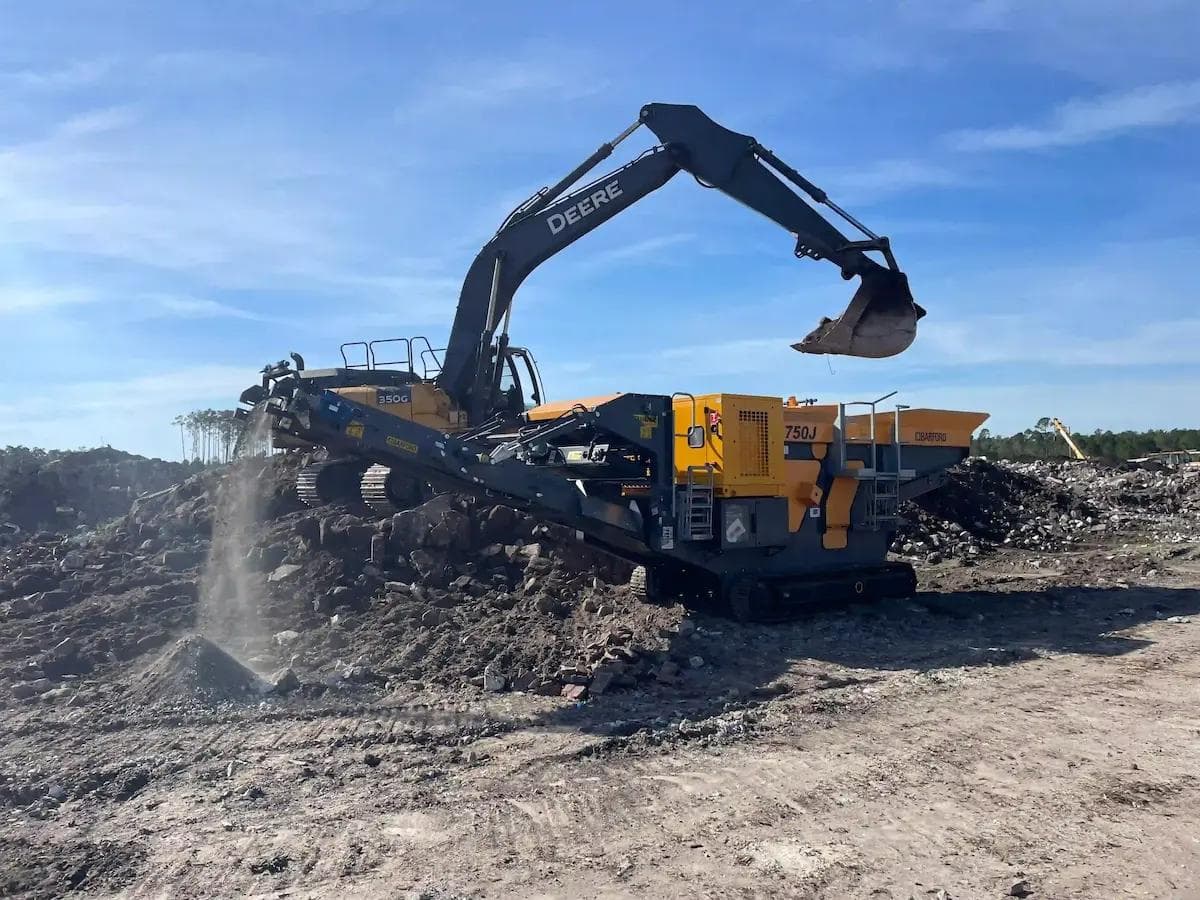
Machinery Partner carries a full range of crushers, including the Barford 750J portable jaw crusher, which is known for its ability to crush large rocks efficiently. The Omega J1065T is designed for contractors who need high productivity and compact mobility on job sites.
Step 3: Compare Specifications
After identifying the crusher types that meet your basic requirements, it's time to dive deeper into their specifications. Key factors to consider include:
- Capacity: Ensure the crusher can handle your required production rate.
- Efficiency: Look for crushers that offer optimal crushing efficiency and lower operational costs. This could mean choosing an electric or hybrid crusher over a diesel powered one.
- Durability: Consider the build quality and materials used. A durable crusher will last longer and require fewer repairs.
- Maintenance Needs: Evaluate how easy it is to maintain and repair the crusher. Some models are designed for easier maintenance, which can save you time and money in the long run.
Compare the specifications of different models to find the best balance of capacity, efficiency, durability, and maintenance for your specific situation.
When comparing crushers, pay attention to throughput capacity, feed opening size, and discharge adjustment settings. These details determine how effectively your crushing machine can reduce material to the desired size. High-quality rock crushing equipment often includes heavy-duty conveyors and feeders designed to maintain consistent material flow, preventing blockages and boosting overall efficiency.
Consider investing in hybrid or electric drive systems where possible. These newer designs improve crushing efficiency, reduce emissions, and cut fuel costs. This is especially valuable for operations with multiple mobile units or extended runtime on job sites.
Step 4: Evaluate Manufacturers
Not all rock crushers are created equal, and the manufacturer plays a significant role in the quality of the product. When evaluating manufacturers, consider:
- Reputation: Look for manufacturers with a strong track record and positive customer reviews. A reputable manufacturer is more likely to provide a high-quality product.
- Customer Support: Reliable after-sales support is crucial. Ensure the manufacturer offers comprehensive support, including maintenance services, parts availability, and technical assistance.
- Innovation: Some manufacturers lead the industry in technology and innovation, offering features that can improve efficiency and safety.
Selecting a reputable manufacturer will help ensure that your crusher is reliable and supported throughout its lifespan.
When comparing manufacturers, look at key design differences like the crushing chamber geometry, hydraulic adjustment systems, and automation controls. These features can significantly impact crushing action, reduce wear, and increase throughput during both primary and secondary crushing.
Step 5: Consider Costs
Cost is an important factor, but it shouldn't be the only consideration. When evaluating costs, think about:
- Initial Purchase Price: While it’s tempting to choose the cheapest option, consider whether it meets all your needs and has a good reputation for reliability.
- Long-Term Costs: Factor in potential maintenance and repair expenses over the life of the machine. A cheaper upfront cost may lead to higher long-term costs if the machine requires frequent repairs.
- Value for Money: Look for crushers that provide the best overall value, considering factors like machine quality, durability, and additional features.
Weighing these cost factors will help you find a crusher that fits your budget while also meeting your operational needs.
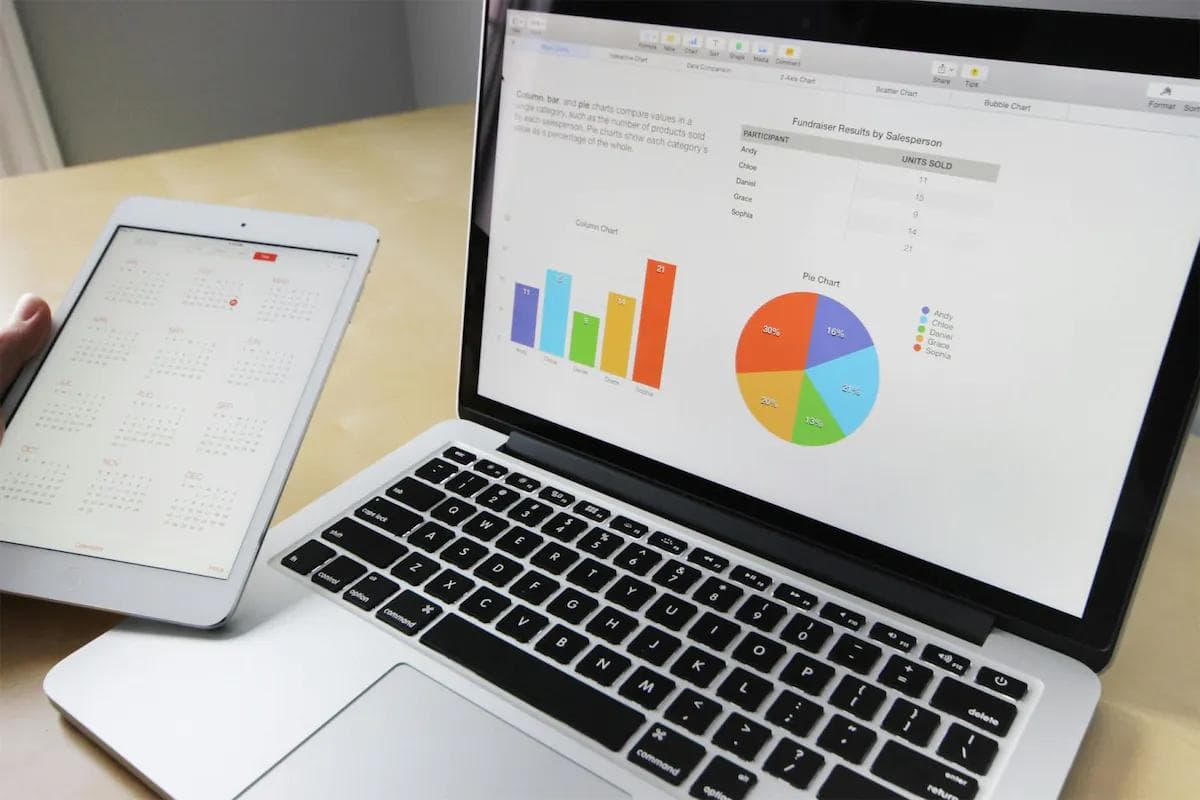
A true cost comparison should go beyond the purchase price. Consider productivity, fuel efficiency, and the quality of the aggregate your crusher produces. A machine with higher throughput and better size reduction delivers more saleable material per hour. That level of efficiency compounds quickly, offering measurable ROI over time.
Many operations see savings by switching to electric or hybrid models that reduce fuel dependency and improve overall operating costs. Investing in high-quality crushing equipment from a reputable brand ensures lower downtime, fewer repairs, and consistent performance across all crushing stages.
Machinery Partner offers flexible financing for all types of crushers, from portable rock crushers and jaw crushers to full crushing plants. This helps businesses scale efficiently while maintaining cash flow.
Step 6: Negotiate and Finance
Once you've identified the ideal crusher, it's time to negotiate the best deal. Consider the following tips:
- Negotiate the Price: Don't hesitate to ask for discounts or better terms. Manufacturers and suppliers often have some flexibility in pricing.
- Explore Financing Options: Many suppliers offer financing plans that can help manage the upfront costs. Explore these options to find one that suits your financial situation.
By negotiating effectively and considering financing, you can make your investment more manageable.
Beyond pricing, look at total value-added services—like warranty coverage, spare parts programs, and included training. These factors can add thousands of dollars in long-term savings. Many buyers overlook this when purchasing crushing machines.
Machinery Partner simplifies financing through approved lenders, offering structured payment options for heavy-duty crushers, portable units, and complete rock crushing equipment packages. Financing can often include conveyors, screeners, or additional size reduction tools to create a full system solution for aggregate producers.
If you’re new to crushing or expanding into new materials, Machinery Partner’s team can also help estimate production value, compare models, and calculate payback periods for each machine.
Step 7: Plan for Installation and Training
The final step in purchasing a rock crusher is planning for its installation and the training of your staff. Key considerations include:
- Site Preparation: Ensure your site is ready for the installation. This may involve preparing foundations or ensuring there is adequate space for the machine.
- Installation Support: Some manufacturers offer installation services. This can be a valuable option to ensure the crusher is set up correctly.
- Staff Training: Proper training is essential for safe and efficient operation. Check if the manufacturer offers training services or materials for your staff.
- Permits: Make sure you have any permits needed to begin crushing rock in your state. Keep up to date with any OSHA or MSHA regualtions.
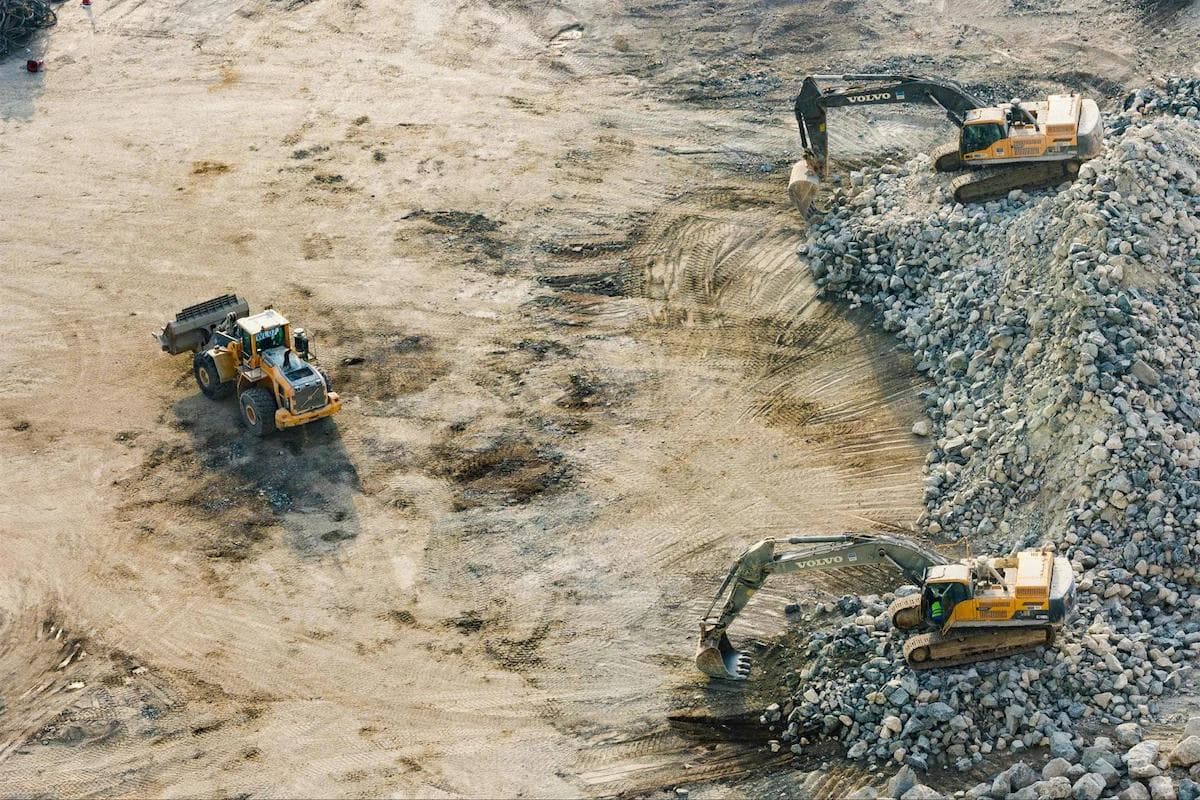
Planning for these aspects will help ensure a smooth transition and operation of your new equipment.
Every crushing machine requires proper setup to reach full potential. From aligning conveyors to ensuring correct feed distribution, installation impacts long-term performance and crusher life. Operators should understand primary crushing versus secondary crushing workflows and how to adjust feed rates to maintain consistent throughput and particle size.
Step 8: Leverage Machinery Partner's Expertise
Choosing the right rock crusher involves many considerations, from understanding your specific needs to finding a reliable manufacturer and planning for installation. This process can be overwhelming, but partnering with the right supplier can simplify the entire journey. Machinery Partner is here to help you find the perfect machine for your business, budget, and use case. Here's how we can support you:
Find the Perfect Machine for Your Needs
At Machinery Partner, we specialize in matching businesses with the right equipment. Whether you need a jaw crusher for primary crushing, a cone crusher for secondary processing, or an impact crusher for softer materials, we have the expertise to guide you to the best choice. We take the time to understand your specific operational requirements, like the type of rock you’ll be processing, desired output size, and production rate, ensuring you get a machine that perfectly fits your needs.
We also help match you with crushing machines that fit your business size and material profile. For small operations, compact portable rock crushers or mobile impactors are ideal. For quarry producers or recycling centers handling large volumes, stationary cone crushers or multi-stage systems provide higher capacity and refined control over aggregate quality.
Comprehensive Support Under One Roof
With Machinery Partner, you don't just get a machine; you get a partner who supports you every step of the way. We offer:
- Free Delivery Over $100k: For purchases over $100,000, we handle all shipping logistics, providing free delivery to your site. This eliminates one more worry and helps streamline the purchasing process. *Exclusions apply see our shipping policy.
- Access to Service and Support: Our commitment to your success doesn't end with the sale. We offer comprehensive after-sales service and support to ensure your crusher operates efficiently and reliably. From maintenance services to spare parts availability, you can rely on us to keep your operation running smoothly.
- Flexible Financing Options: We understand that purchasing a rock crusher is a significant investment. That's why we offer flexible financing options tailored to fit your budget. Whether you prefer leasing or financing plans, we work with you to find the best solution to manage your investment effectively.
A One-Stop Solution for Your Crushing Needs
By choosing Machinery Partner, you gain access to everything you need under one roof. From helping you select the perfect crusher to providing ongoing support and flexible financing options, we make the process of purchasing and operating a rock crusher as seamless as possible. Our goal is to ensure you have the right equipment and support to maximize productivity and efficiency in your operations. Call us today at 617-231-9753.
Machinery Partner’s inventory includes top-rated models like the Barford 750J and Omega J1065T are designed for high productivity, consistent size reduction, and durability under heavy loads. We also supply conveyors and screening equipment, giving you a complete, integrated crushing system from raw material intake to finished aggregate.
Whether you crush rocks on a remote job site or operate a full-scale quarry, Machinery Partner’s experts can help design a setup that fits your production workflow, environmental requirements, and future growth plans.
Conclusion
Purchasing a rock crusher is a complex decision that requires careful planning and consideration. However, with the right partner, the process becomes significantly easier. Machinery Partner offers a comprehensive solution to help you find the ideal machine for your needs, budget, and use case. With free delivery on large purchases, access to top-notch service and support, and flexible financing options, we are here to ensure your investment is successful and your operations run smoothly.
By leveraging the expertise and comprehensive services of Machinery Partner, you can confidently navigate the process of purchasing a rock crusher and optimize your operations for greater efficiency and productivity. Contact us today to learn more about how we can help you find the perfect crusher for your business.


